
Products
Search
Categories
Contact Us
‹
›
‹
›
Product Description:
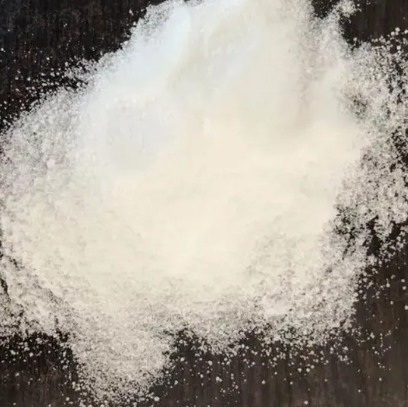
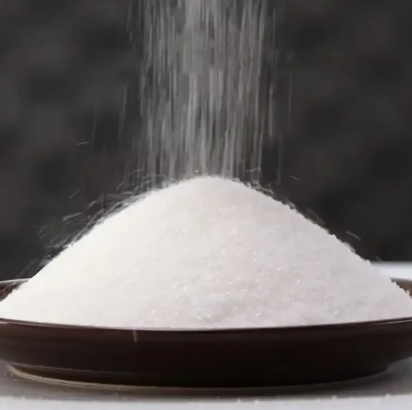
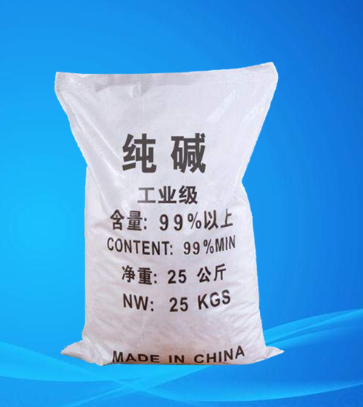
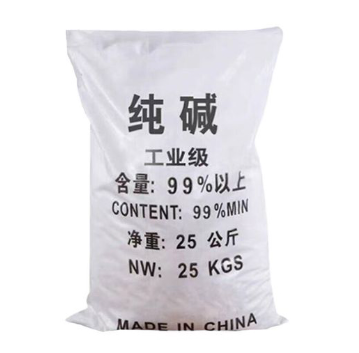
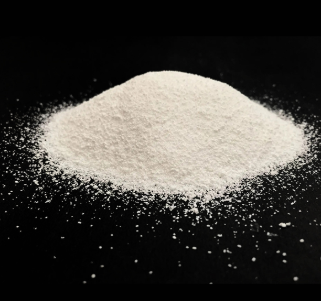
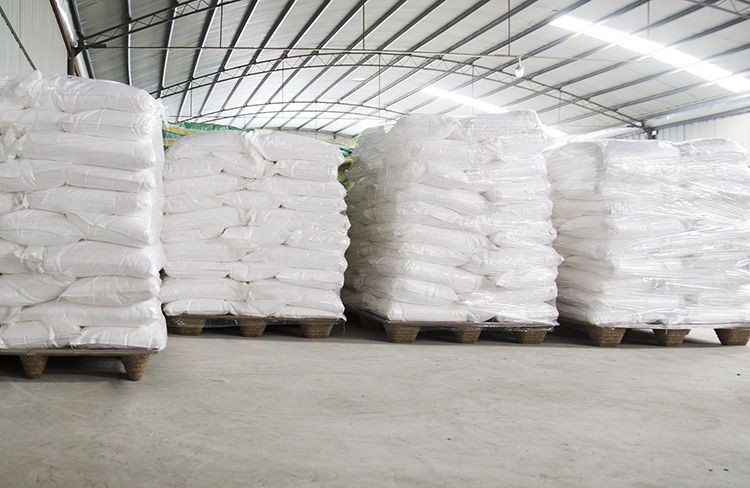
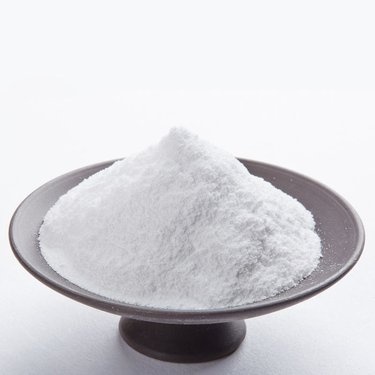
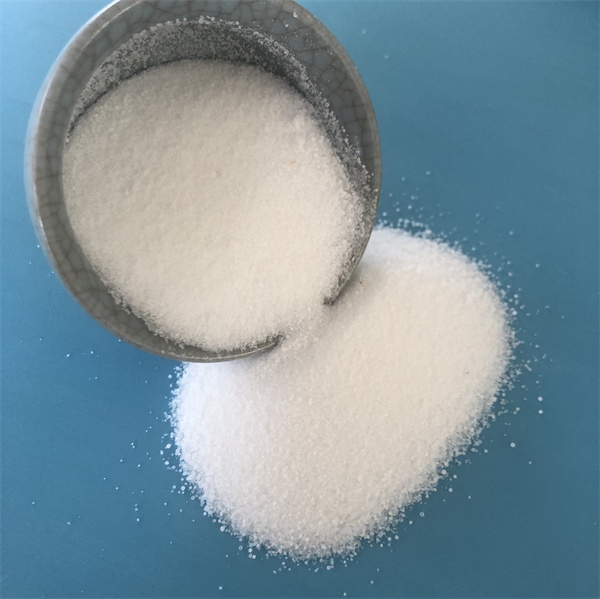
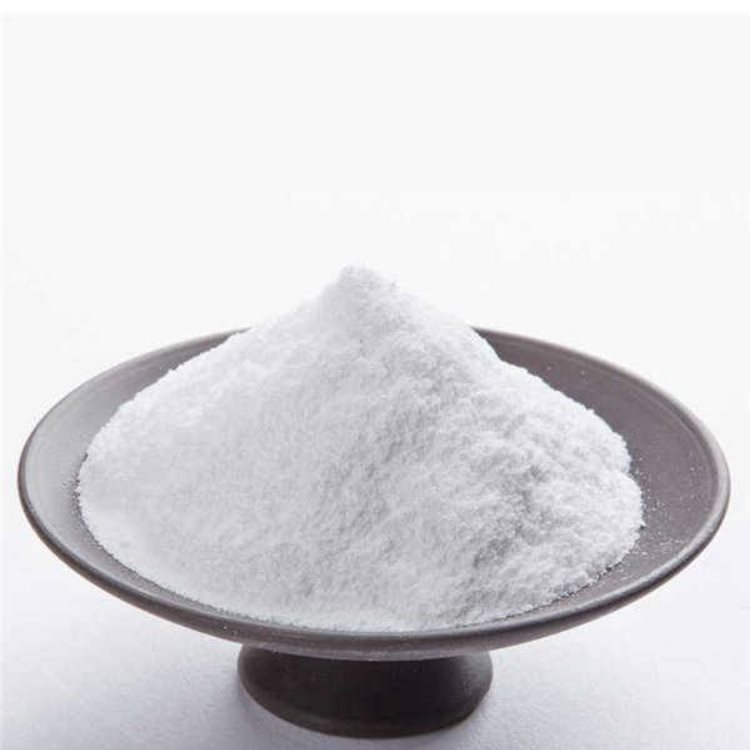
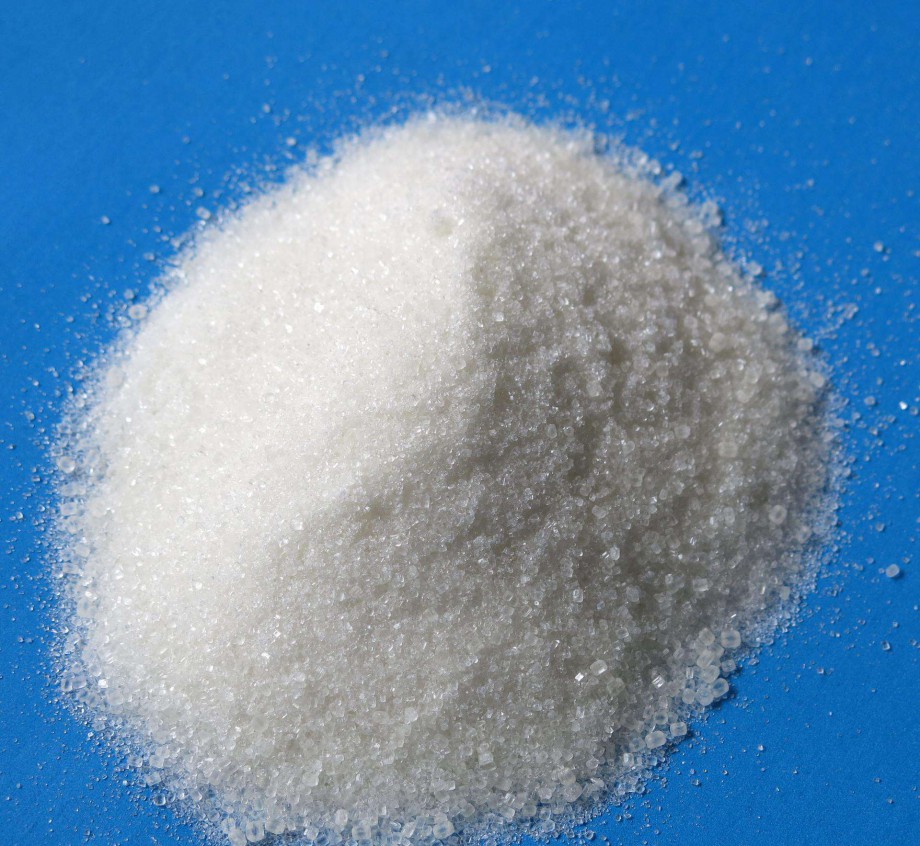
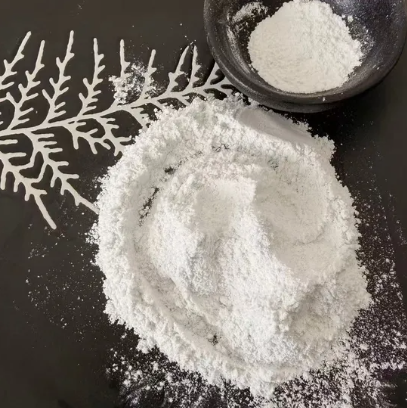
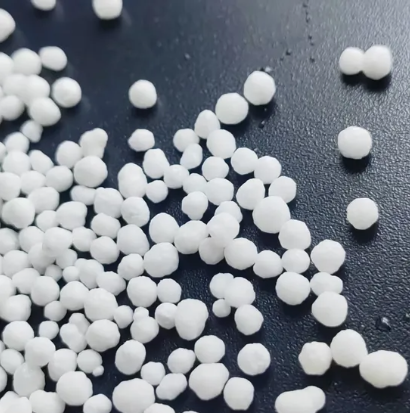
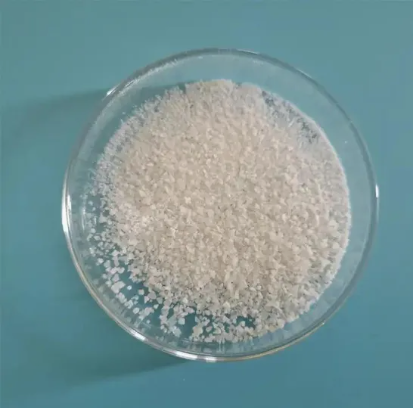
Soda Ash (Chemical Name: Sodium Carbonate), commonly known as soda, is a basic inorganic chemical raw material. It appears as white powder or crystals, soluble in water with slight heat release, and its aqueous solution is weakly alkaline. With high purity (industrial grade ≥99.2%, food grade ≥99.8%), low impurity content, stable chemical properties and no strong corrosiveness, it only has mild irritation to skin and mucous membranes. It possesses excellent fluxing, buffering and detergency properties, can react with acids and salts, and is compatible with various processing technologies such as high-temperature calcination and dissolution blending. Fully compliant with Chinese national standards including GB/T 210.1 (industrial grade) and GB 1886.1-2021 (food grade), as well as international standards like RoHS and REACH, it is classified into industrial grade, food grade, pharmaceutical grade and other series based on applications. It is an indispensable core raw material in glass manufacturing, chemical synthesis, building materials processing, food processing, water treatment and other industries.
Product Type:
1. Industrial Grade Soda Ash
· Purity Standard: Regular industrial grade ≥99.2%; High-quality industrial grade ≥99.6%
· Key Indicators: Iron content <0.01%, Total calcium and magnesium content <0.1%, Water-insoluble substances <0.05%
· Core Application Fields: Glass manufacturing (accounting for 50% of consumption), chemical synthesis, pulp bleaching, textile printing and dyeing, building materials (ceramic tiles, sanitary ware), water treatment
· Compliance Standards: GB/T 210.1 (China), ASTM E126-17 (USA)
2. Food Grade Soda Ash
· Purity Standard: ≥99.8%
· Key Indicators: Heavy metals (Pb/Cd/As) <0.0005%, Arsenic content <0.0002%, No harmful impurities
· Core Application Fields: Food processing (dough fermentation, soda water preparation, fruit and vegetable peeling), food additives, feed acidifier
· Compliance Standards: GB 1886.1-2021 (China), FDA 21CFR 184.1742 (USA)
3. Pharmaceutical Grade Soda Ash
· Purity Standard: ≥99.9%
· Key Indicators: Ultra-high purity, impurity content <0.001%, Compliance with biocompatibility requirements
· Core Application Fields: Pharmaceutical synthesis (e.g., aspirin, antibiotics), pharmaceutical excipients (regulating pH value of medicinal solutions)
· Compliance Standards: Chinese Pharmacopoeia (ChP), USP 45-NF 40 (USA)
4. Special Grade Soda Ash
· Purity Standard: Customized purity (≥99.9%)
· Key Indicators: Targeted optimized indicators (e.g., low iron, low chlorine, low sulfate)
· Core Application Fields: Optical glass, electronic-grade chemical raw materials, special ceramics, aerospace materials
· Compliance Standards: Customer-specific standards + International general chemical standards
Product Specifications :
1. Main Content (Na₂CO₃)
Test Standard: ASTM E126-17 / GB/T 210.1
Typical Values:
Industrial Grade (Regular) ≥99.2%;
Industrial Grade (High-Quality) ≥99.6%;
Food Grade ≥99.8%;
Pharmaceutical Grade ≥99.9%;
2. Chloride (as NaCl)
Test Standard: ASTM E126-17 / GB/T 210.1
Typical Values:
Industrial Grade (Regular) ≤0.5%;
Industrial Grade (High-Quality) ≤0.2%;
Food Grade ≤0.03%;
Pharmaceutical Grade ≤0.01%;
Special Grade (Customized) ≤0.005%
3. Ion (Fe)
Test Standard: ASTM E126-17 / GB/T 210.1
Typical Values:
Industrial Grade ≤0.01%;
Food Grade ≤0.0005%;
Pharmaceutical Grade ≤0.0001%;
Special Grade (Customized) ≤0.00005%
4. Total Calcium & Magnesium (as CaO)
Test Standard: ASTM E126-17 / GB/T 210.1
Typical Values:
Industrial Grade (Regular) ≤0.1%;
Industrial Grade (High-Quality) ≤0.05%;
Food Grade ≤0.02%;
Pharmaceutical Grade ≤0.01%;
Special Grade (Customized) ≤0.005%
5. Water-Insoluble Substances
Test Standard: ASTM E126-17 / GB/T 210.1
Typical Values:
Industrial Grade (Regular) ≤0.05%;
Industrial Grade (High-Quality) ≤0.03%;
Food Grade ≤0.02%;
Pharmaceutical Grade ≤0.01%;
Special Grade (Customized) ≤0.005%
6. Sulfate (as SO₄²⁻)
Test Standard: ASTM E126-17 / GB/T 210.1
Typical Values:
Industrial Grade ≤0.05%;
Food Grade ≤0.02%;
Pharmaceutical Grade ≤0.01%;
Special Grade (Customized) ≤0.003%
7. oss on Ignition (110℃, 2h)
Test Standard: ASTM E126-17 / GB/T 210.1
Typical Values:
Industrial Grade (Regular) ≤0.8%;
Industrial Grade (High-Quality) ≤0.5%;
Food Grade ≤0.3%;
Pharmaceutical Grade ≤0.2%;
Special Grade (Customized) ≤0.1%
8. pH Value (10% Aqueous Solution, 25℃)
Test Standard: ASTM E126-17 / GB/T 210.1
Typical Value: 11.2-11.8 (Applicable to all grades)
9. Bulk Density (Light/Dense)
Test Standard: ASTM E126-17 / GB/T 210.1
Typical Values:
Industrial Grade (Light) 0.5-0.7 g/cm³;
Industrial Grade (Dense) 1.0-1.2 g/cm³;
Food Grade 0.5-0.7 g/cm³;
Pharmaceutical Grade 0.5-0.7 g/cm³;
10. Particle Size Range
Test Standard: ASTM E126-17 / GB/T 210.1
Typical Values:
Industrial Grade (Light) 45-150μm;
Industrial Grade (Dense) 150-600μm;
Food Grade 45-150μm;
Pharmaceutical Grade <45μm;
Application
I. Industrial Grade Soda Ash (≥99.2% / high-quality ≥99.6%, light/dense for specific use)
Glass Manufacturing (accounting for over 50% of total consumption)
Dense soda ash is the first choice for automated batching, used in the production of flat/float/photovoltaic/electronic glass as a flux to lower melting temperature, adjust glass composition and improve light transmittance and strength. Light soda ash is for daily-use glass and glass crafts, suitable for small and medium-batch production.
Basic Chemical Synthesis
Produce inorganic sodium salts such as sodium bicarbonate, sodium silicate and sodium nitrite; synthesize daily chemical raw materials like detergents and sodium tripolyphosphate; serve as a neutralizer/catalyst in the synthesis of dyes, pharmaceutical intermediates and inorganic salts (barium carbonate, zinc carbonate, etc.).
Building Materials Processing
Adjust blank plasticity and act as a glaze flux in ceramic tile production; optimize admixture performance and adjust clinker composition in cement/concrete production; neutralize acidity and regulate foaming pore structure in gypsum board/thermal insulation material production.
Textile Dyeing & Leather Processing
Remove size and grease from fabrics in textile pre-treatment, adjust dye bath pH to improve color fastness in dyeing; degrease and deash in leather processing, neutralize lime milk for subsequent tanning.
Paper Industry
Assist in softening fibers and decomposing lignin in alkaline pulping; adjust pH to improve water resistance in paper sizing; enhance decontamination and neutralize acidic impurities in waste paper deinking.
Metallurgical Industry
Act as a flux to separate metals from gangue in non-ferrous metal smelting; neutralize pickling waste liquid and assist in surface passivation for rust prevention in steel processing.
Other Industries
Serve as a buffer to stabilize plating solution and improve coating uniformity in electroplating; promote vulcanization and disperse fillers in rubber production; adjust pH to prevent delamination and precipitation in coating production.
II. Food Grade Soda Ash (≥99.8%, low heavy metal, no harmful impurities)
Compliant with food additive standards, used as acidity regulator, leavening agent and neutralizer:
Flour products: Mixed with yeast/sodium bicarbonate to make steamed buns/buns fluffy, improve noodle toughness and prevent breakage during cooking; it is the core leavening component for fried foods such as fried dough sticks.
Fruit and vegetable processing: Soaking in low-concentration aqueous solution for batch peeling of fruits and vegetables; spraying a trace amount to neutralize acidity, inhibit mold and extend the shelf life of fruits and vegetables.
Condiments & Beverages: Adjust pH to enhance umami and color in the brewing of soy sauce/vinegar; regulate acidity in soda water/fruit and vegetable juice to improve taste.
III. Pharmaceutical Grade Soda Ash (≥99.9%, ultra-high purity)
Pharmaceutical synthesis: Used as raw material/intermediate in the production of aspirin, antibiotics, vitamins and other drugs to adjust the alkalinity of reaction systems.
Pharmaceutical excipients: Adjust the pH of medicinal liquids and ointments to improve drug stability; serve as an auxiliary component of pharmaceutical desiccants and disintegrants.
IV. Special Grade Soda Ash (≥99.9%, customized with low iron/chlorine/sulfate)
Customized indicators for high-end fields: used in the production of optical glass and electronic-grade sodium silicate to avoid impurities affecting product precision; as a basic raw material for aerospace special ceramics and high-end battery materials to ensure the physical and chemical properties of materials; applied in the synthesis of high-end intermediates in fine chemical industry to improve reaction purity and yield.
 Polyester Bottle FlakesLearn More >>
 StyreneLearn More >>
 Soda AshLearn More >>
 Polyester Staple FiberLearn More >>
 Polyester FilamentLearn More >>
 MethanolLearn More >>
 Purified Terephthalic AcidLearn More >>
 PolypropyleneLearn More >>
 Sodium BicarbonateLearn More >>
") Calcium Carbonate (GCC / PCC / Activated Calcium Carbonate)Learn More >>
Calcium Carbonate (GCC / PCC / Activated Calcium Carbonate)Learn More >> Magnesium Sulfate HeptahydrateLearn More >>
") Potassium Chloride (Muriate of Potash, KCl)Learn More >>
Potassium Chloride (Muriate of Potash, KCl)Learn More >>") Sodium Sulfate Anhydrous (Glauber's Salt, Thenardite)Learn More >>
Sodium Sulfate Anhydrous (Glauber's Salt, Thenardite)Learn More >>") Ammonium Sulfate (Ammonium Sulphate, Mascagnite)Learn More >>
Ammonium Sulfate (Ammonium Sulphate, Mascagnite)Learn More >> MercuryLearn More >>
 AsphaltLearn More >>
 Polyvinyl ChlorideLearn More >>
") 1-Phenyl-3-methyl-5-pyrazolone (PMP)Learn More >>
1-Phenyl-3-methyl-5-pyrazolone (PMP)Learn More >> Magnesium ChlorideLearn More >>
 Calcium ChlorideLearn More >>
 Aluminium SulfateLearn More >>
 Sodium HypochloriteLearn More >>
 Sodium CarbonateLearn More >>
 Anhydrous EthanolLearn More >>

Search Starts Here
Please give us a message