
Products
Search
Categories
Contact Us
‹
›
‹
›
Product Parameters
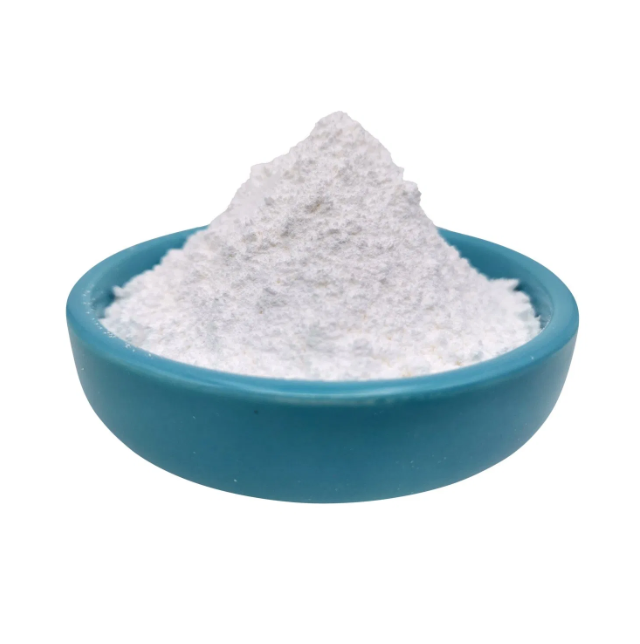
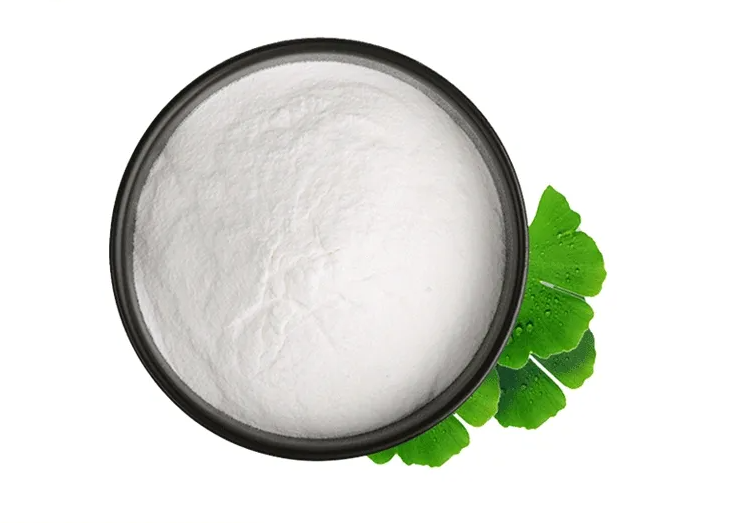
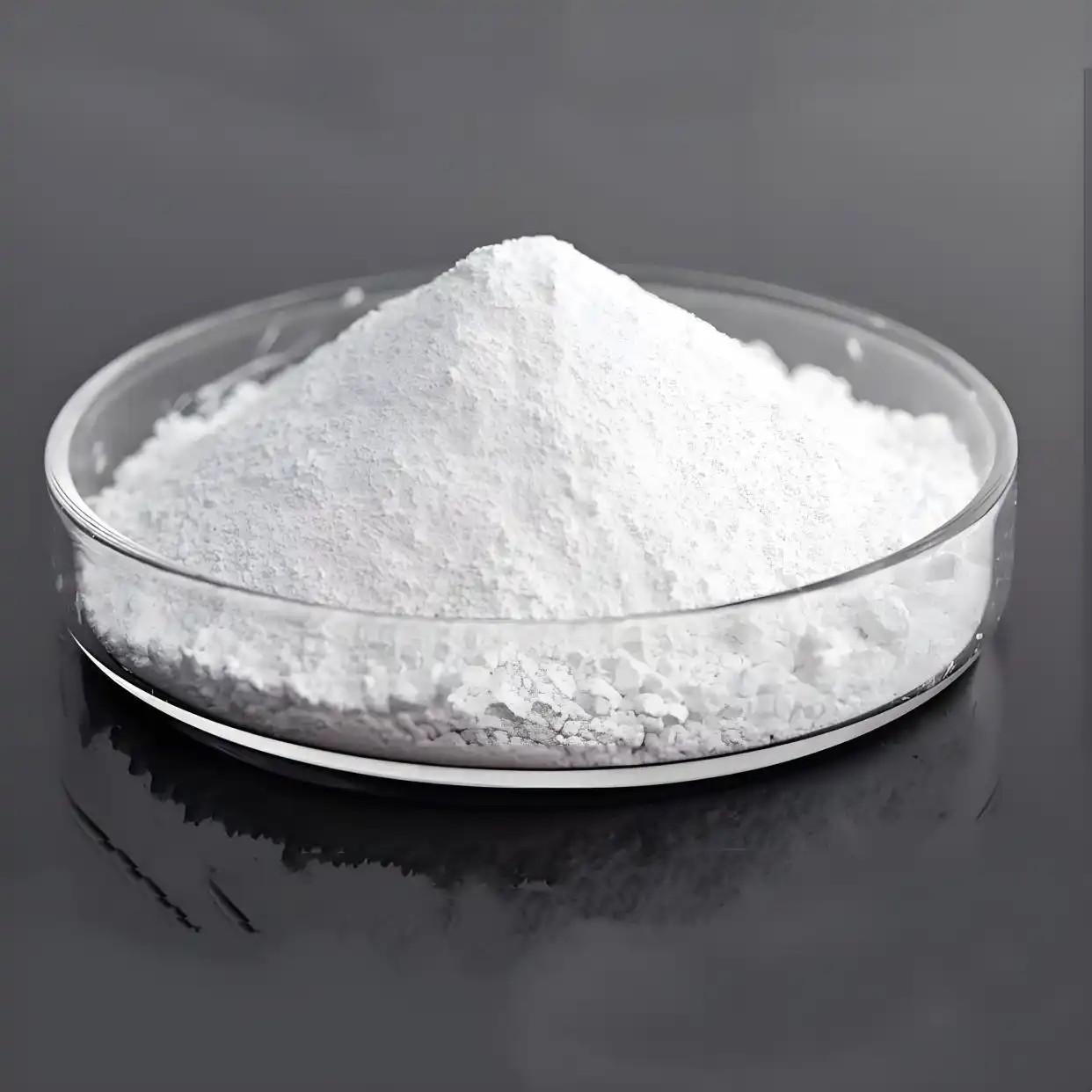
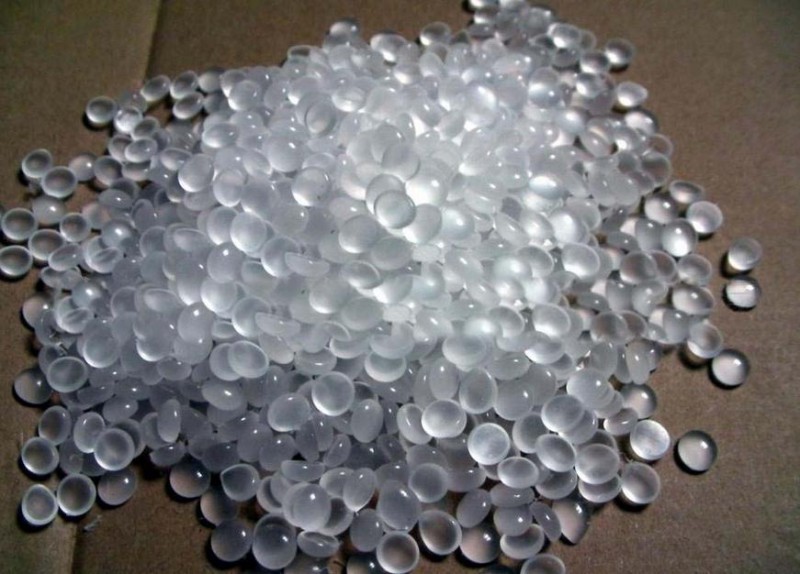
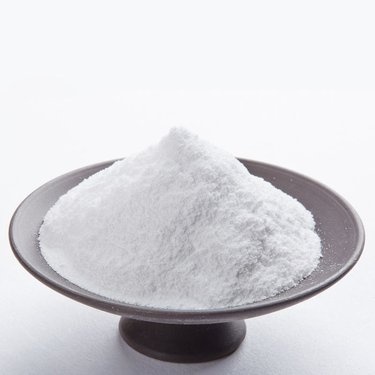
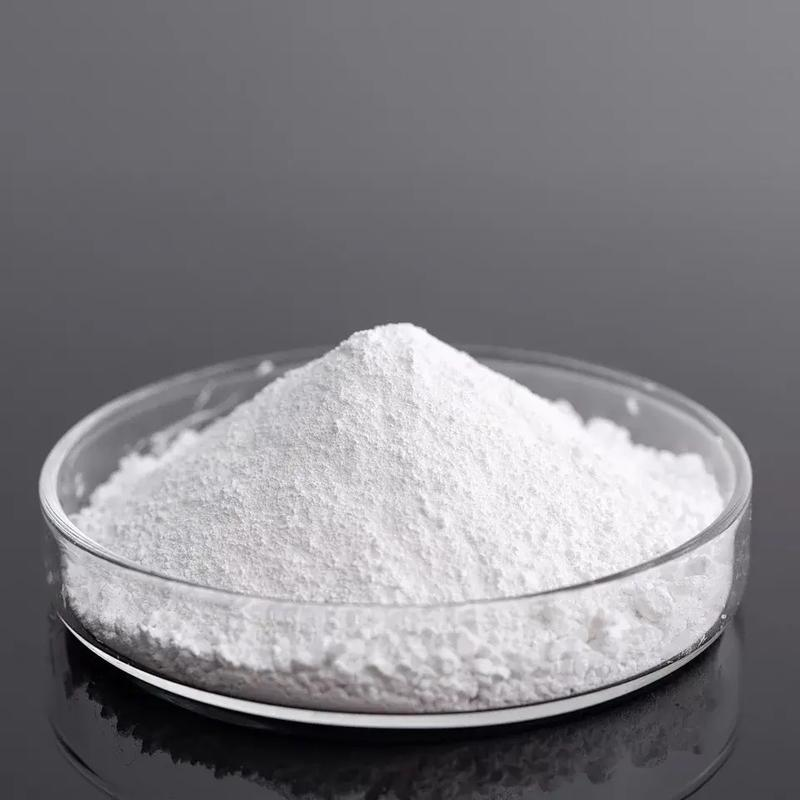
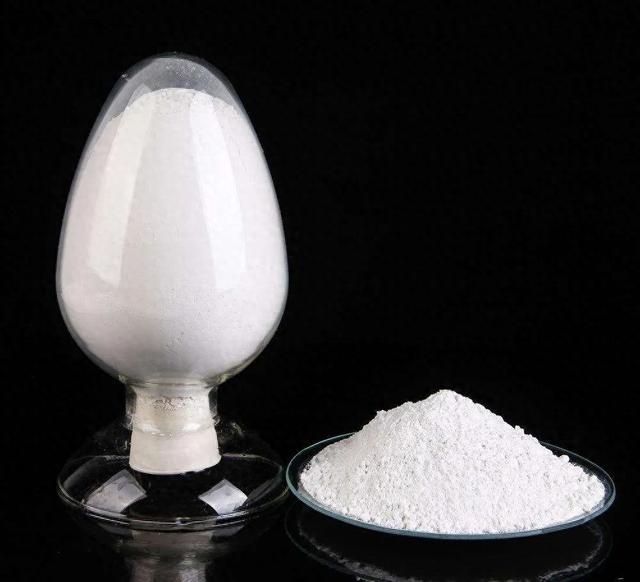
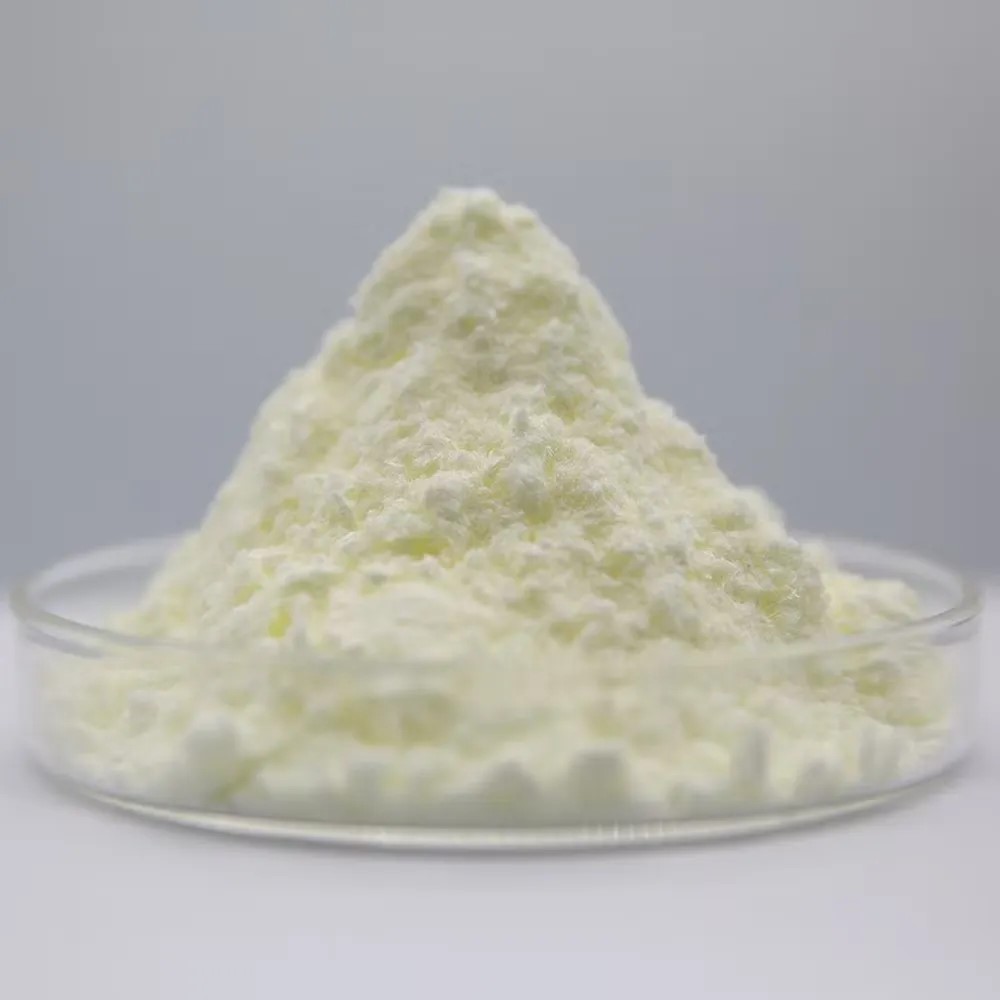
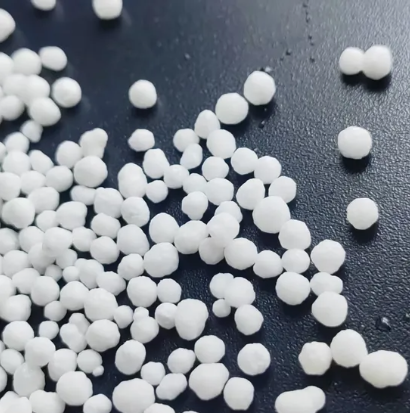
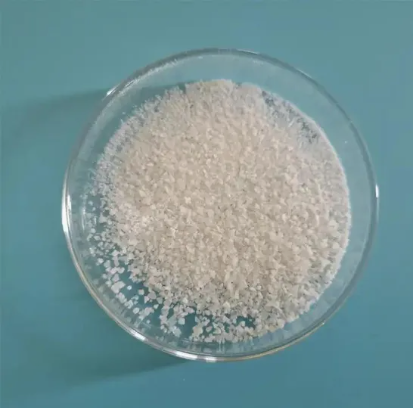
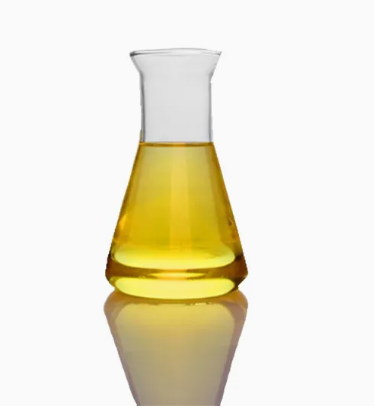
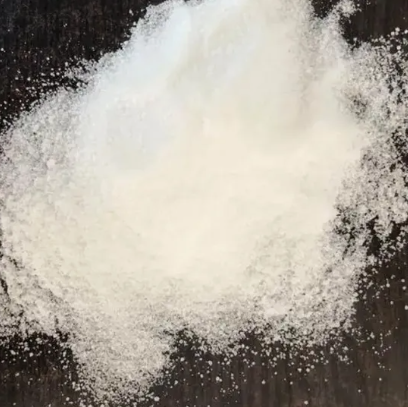
1.Cholesterol can be used as an emulsifier, a raw material for artificial bezoar, vitamin D, liquid crystals, and synthetic hormones. It is also used as an analytical reference standard for biochemical research.
2.It can also be used in the cephalin-cholesterol flocculation test. Cholesterol is a major component of biological membranes, accounting for approximately 25% of the total cephalin content.
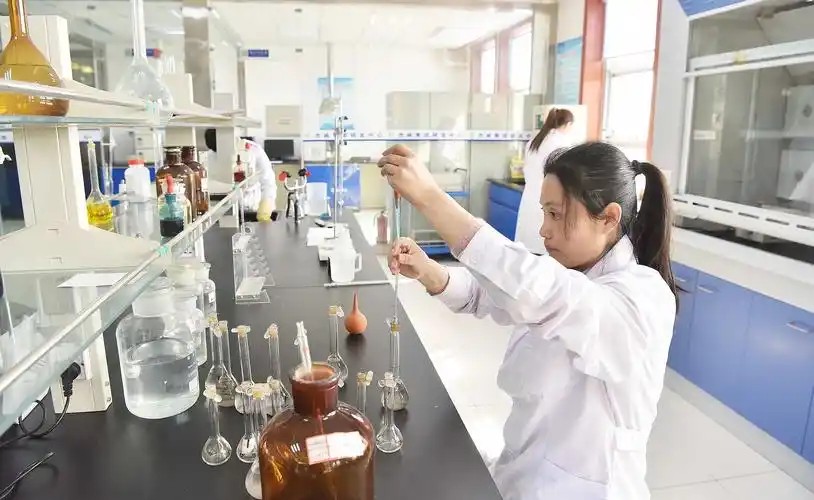
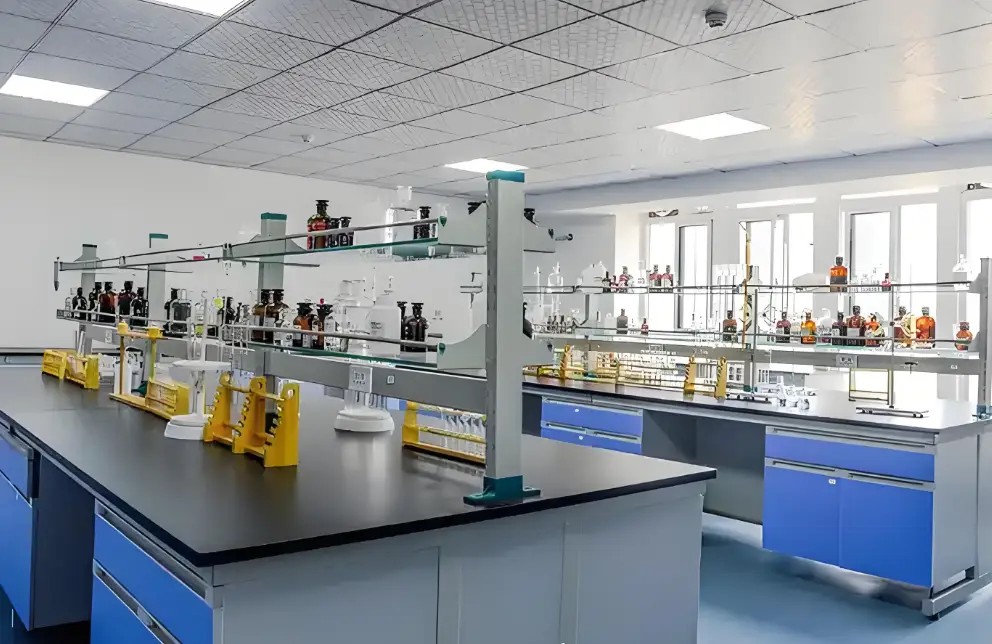
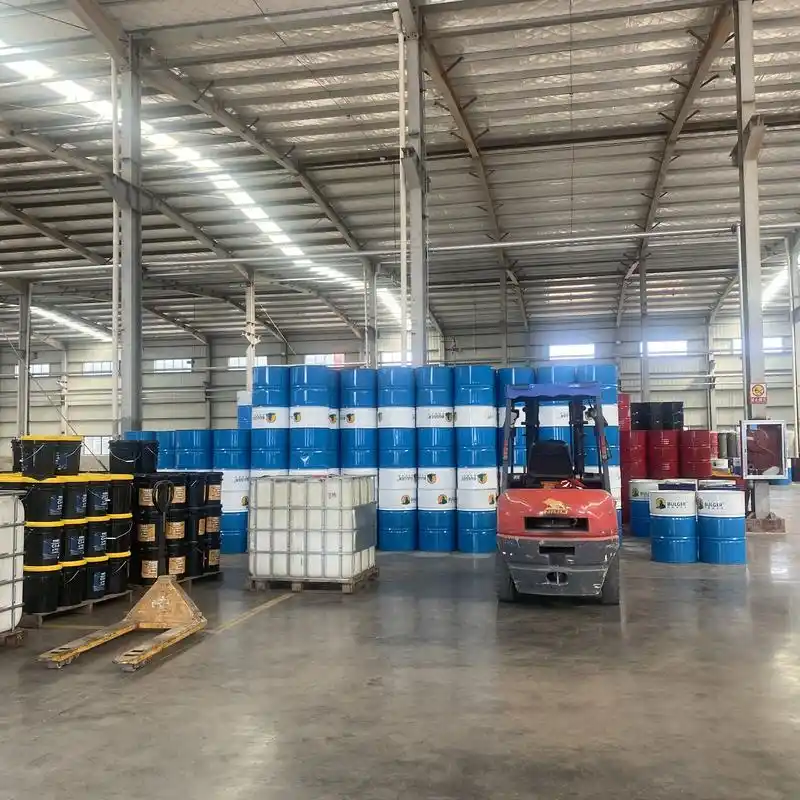
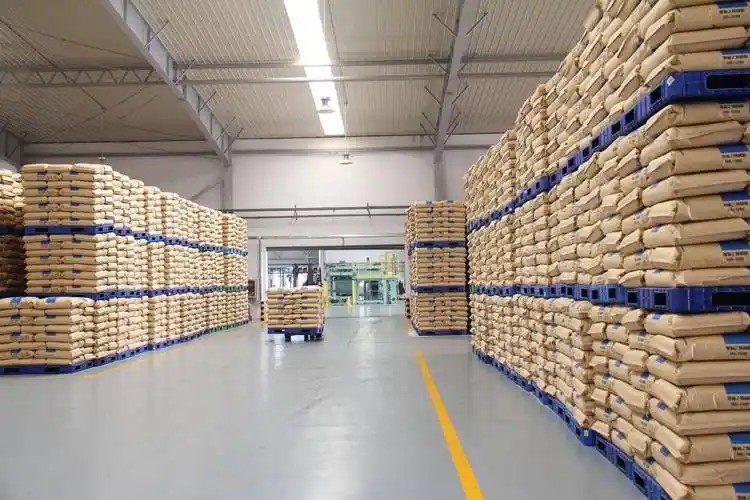
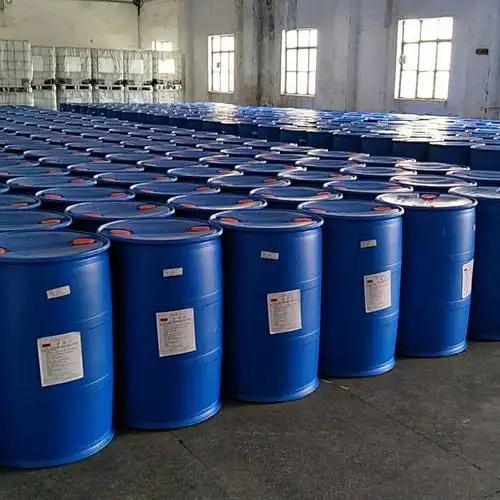
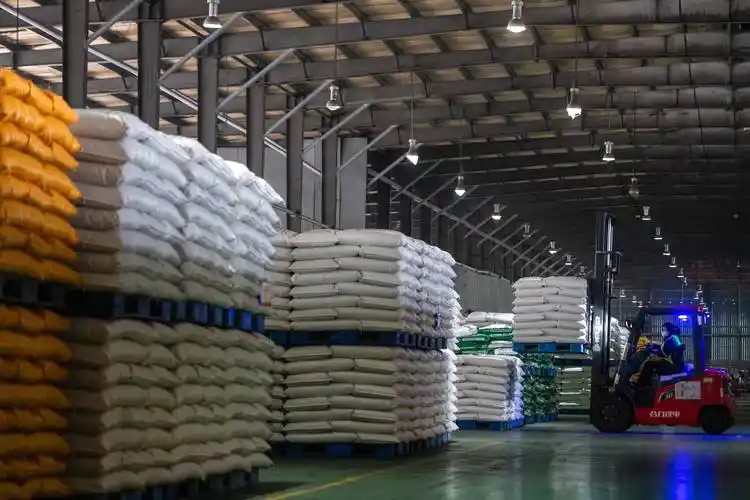
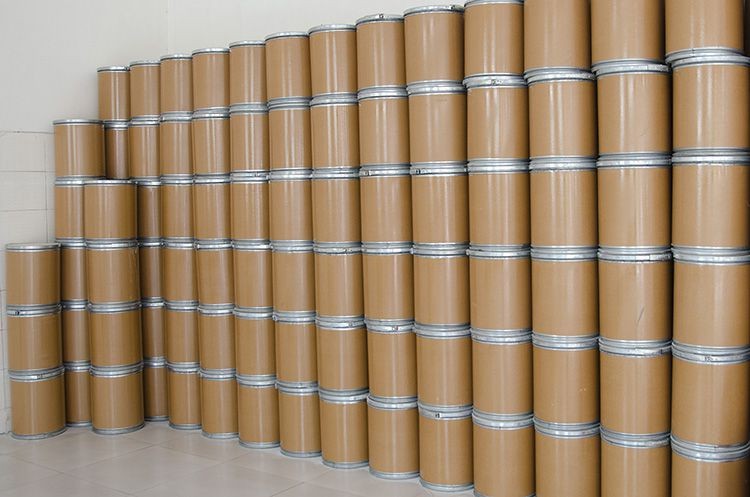
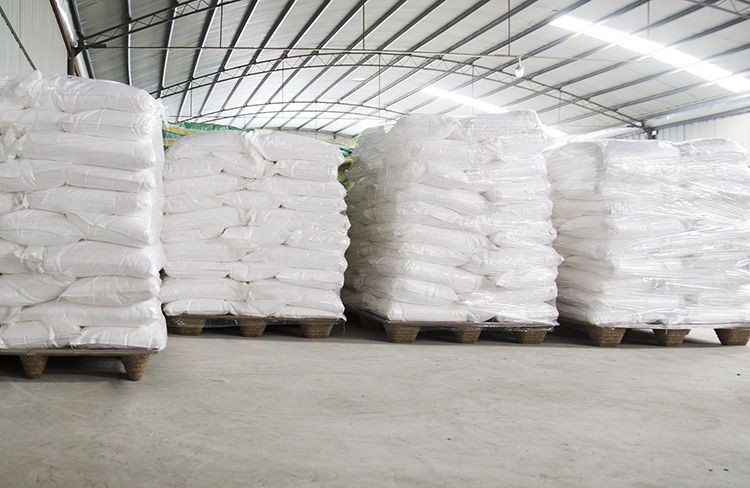
Factory Show
More Products
 Polyester Bottle FlakesLearn More >>
 StyreneLearn More >>
 Soda AshLearn More >>
 Polyester Staple FiberLearn More >>
 Polyester FilamentLearn More >>
 MethanolLearn More >>
 Purified Terephthalic AcidLearn More >>
 PolypropyleneLearn More >>
 Sodium BicarbonateLearn More >>
") Calcium Carbonate (GCC / PCC / Activated Calcium Carbonate)Learn More >>
Calcium Carbonate (GCC / PCC / Activated Calcium Carbonate)Learn More >> Magnesium Sulfate HeptahydrateLearn More >>
") Potassium Chloride (Muriate of Potash, KCl)Learn More >>
Potassium Chloride (Muriate of Potash, KCl)Learn More >>") Sodium Sulfate Anhydrous (Glauber's Salt, Thenardite)Learn More >>
Sodium Sulfate Anhydrous (Glauber's Salt, Thenardite)Learn More >>") Ammonium Sulfate (Ammonium Sulphate, Mascagnite)Learn More >>
Ammonium Sulfate (Ammonium Sulphate, Mascagnite)Learn More >> MercuryLearn More >>
 AsphaltLearn More >>
 Polyvinyl ChlorideLearn More >>
") 1-Phenyl-3-methyl-5-pyrazolone (PMP)Learn More >>
1-Phenyl-3-methyl-5-pyrazolone (PMP)Learn More >> Magnesium ChlorideLearn More >>
 Calcium ChlorideLearn More >>
 Aluminium SulfateLearn More >>
 Sodium HypochloriteLearn More >>
 Sodium CarbonateLearn More >>
 Anhydrous EthanolLearn More >>

Inquiry

Search Starts Here
Please give us a message
Mingzhu New Materials (Shandong) Co., Ltd.
Phone : +86 13287595739
WhatsApp : +86 13287595739
WeChat : +86 13287595739