
Products
Search
Categories
Contact Us
‹
›
‹
›
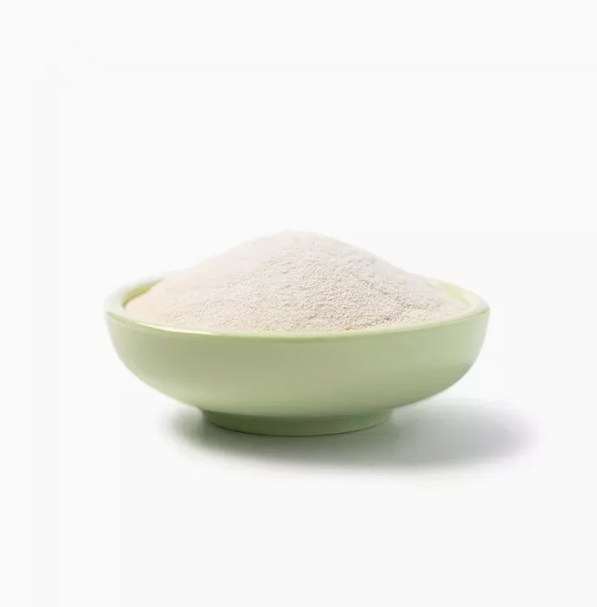
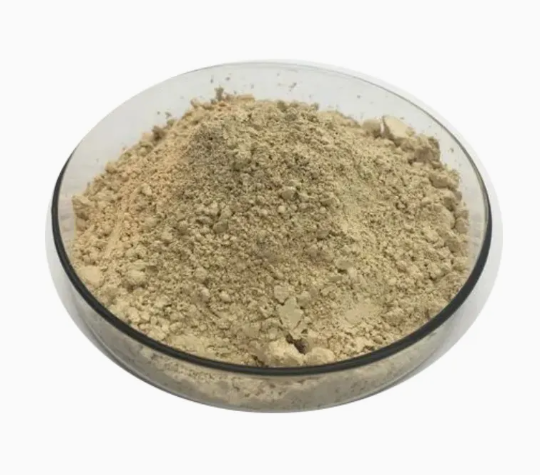
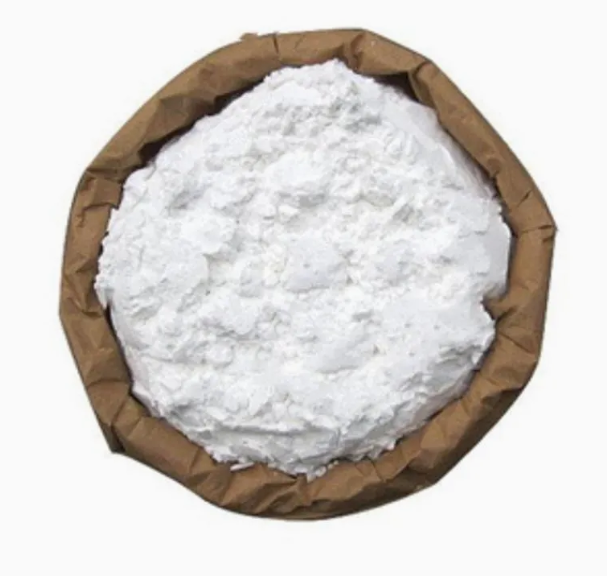
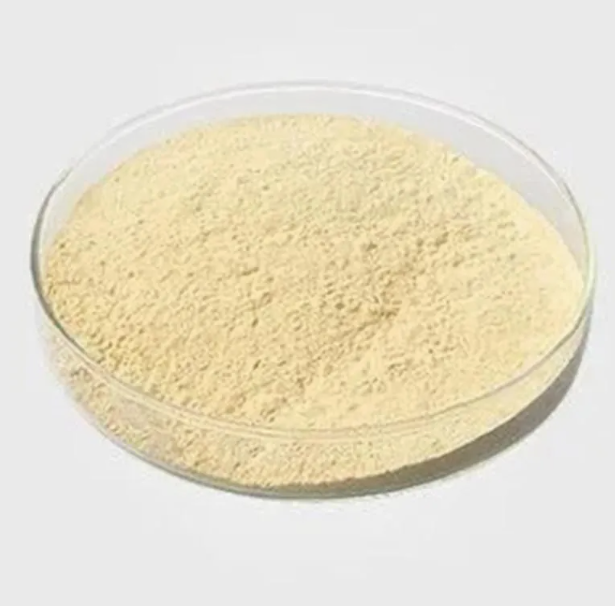
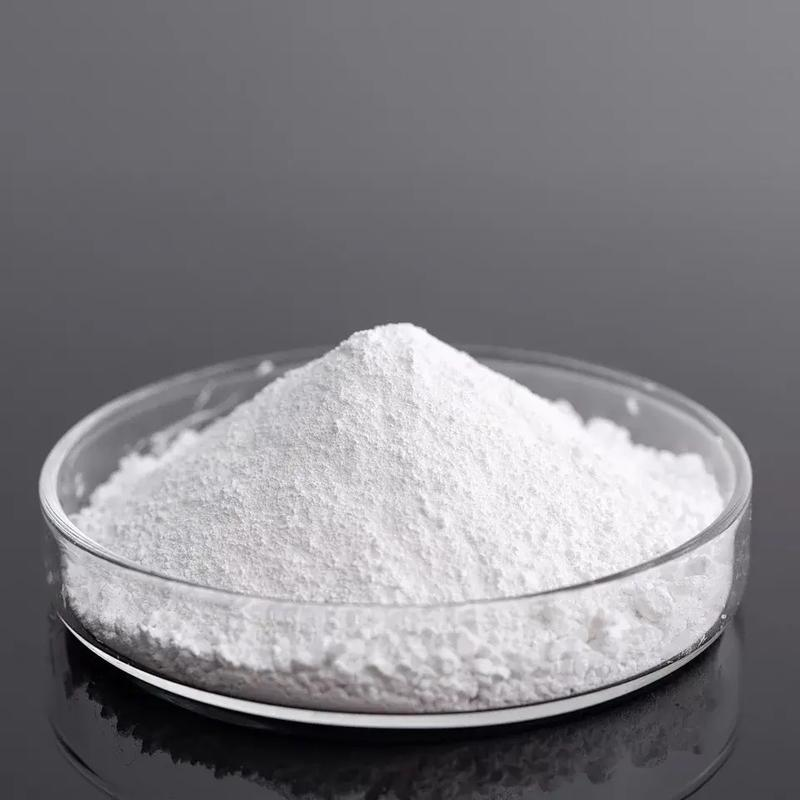
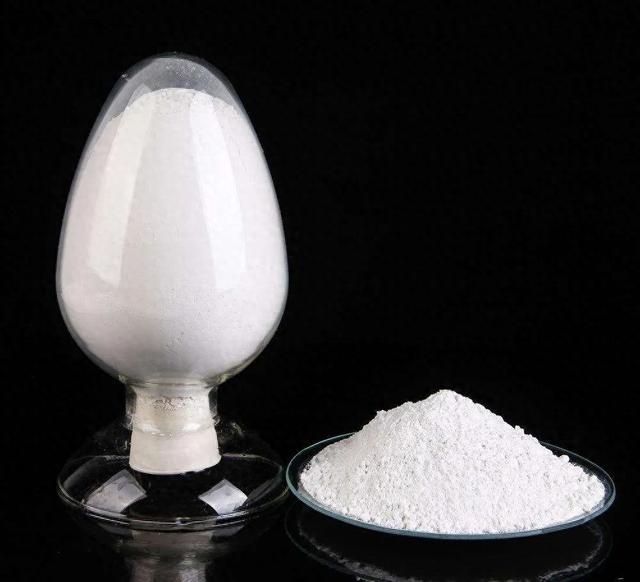
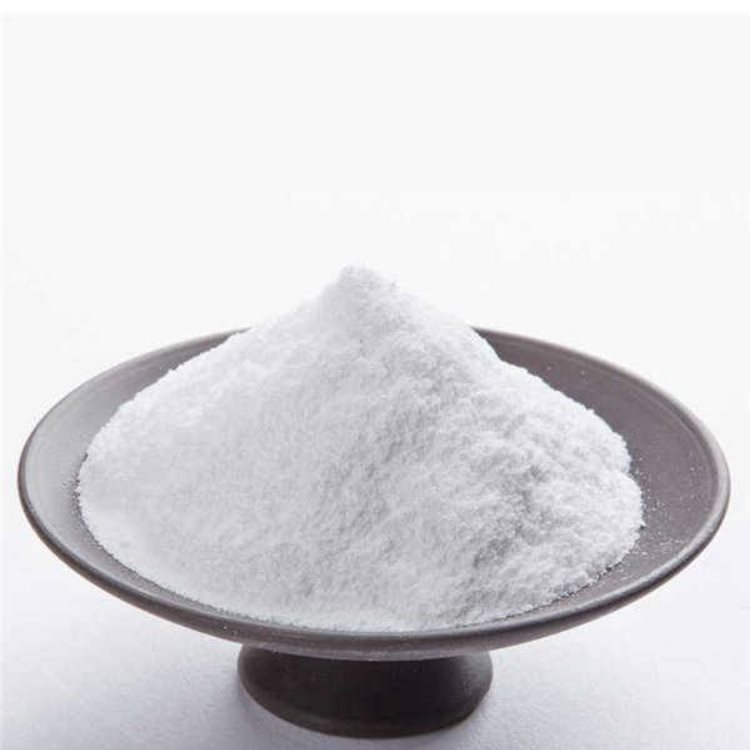
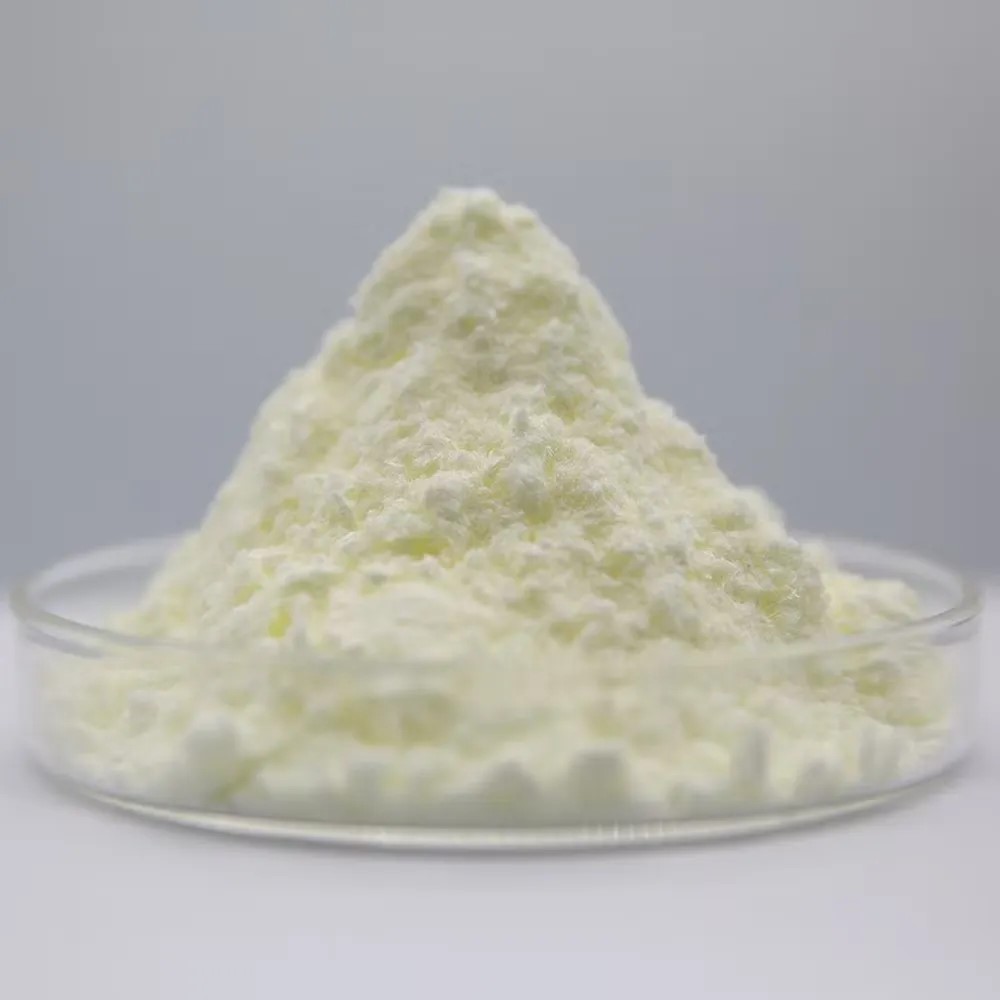
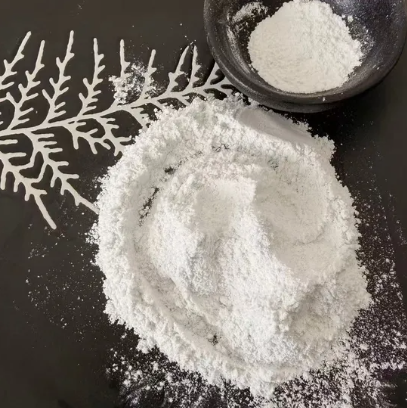
Diatomite, due to its unique physical and chemical properties, has been widely used as a filter aid, functional filler, catalyst carrier, pesticide and fertilizer carrier, thermal insulation material, adsorbent, and bleaching material. Owing to its strong adsorption capacity, diatomite is used as a filter aid in the food industry to remove bacteria, impurities, and odors. For example, using diatomite filtration in the winemaking process can continuously renew the filter bed, enabling fast filtration speed and high output. It has a large surface area and strong adsorption capacity, capable of filtering out particles of 0.1-1.0 μm, reducing wine loss by approximately 1.4%, and improving production operation conditions. Diatomite filters can better enhance the effluent quality of swimming pool circulating water treatment and save water and electricity in swimming pool operation management. Additionally, diatomite is widely used in edible oils, pharmaceutical oral liquids, and other fields.
Applications
- Diatomite is mainly used as thermal insulation material, chemical filler, and catalyst carrier.
- Diatomite is used as a filter agent for synthetic resins, chemical fibers, dyes, coatings, solvents, acids, electrolytes, glycerol, etc.; a carrier for chemical fertilizers and pesticides; an ideal filler for plastics, rubber, and insecticides; a filter aid for recovering sodium thiocyanate; activated carbon for decolorization in nylon solutions; and an anti-caking agent for ammonium nitrate pellets (Chemicalbook reference). It is also widely used in light industry, food, medicine, building materials, petroleum, papermaking, environmental protection, and other sectors. Diatomite has broad development prospects.
- Used for processing and beneficiation of diatomite ore.
 Polyester Bottle FlakesLearn More >>
 StyreneLearn More >>
 Soda AshLearn More >>
 Polyester Staple FiberLearn More >>
 Polyester FilamentLearn More >>
 MethanolLearn More >>
 Purified Terephthalic AcidLearn More >>
 PolypropyleneLearn More >>
 Sodium BicarbonateLearn More >>
") Calcium Carbonate (GCC / PCC / Activated Calcium Carbonate)Learn More >>
Calcium Carbonate (GCC / PCC / Activated Calcium Carbonate)Learn More >> Magnesium Sulfate HeptahydrateLearn More >>
") Potassium Chloride (Muriate of Potash, KCl)Learn More >>
Potassium Chloride (Muriate of Potash, KCl)Learn More >>") Sodium Sulfate Anhydrous (Glauber's Salt, Thenardite)Learn More >>
Sodium Sulfate Anhydrous (Glauber's Salt, Thenardite)Learn More >>") Ammonium Sulfate (Ammonium Sulphate, Mascagnite)Learn More >>
Ammonium Sulfate (Ammonium Sulphate, Mascagnite)Learn More >> MercuryLearn More >>
 AsphaltLearn More >>
 Polyvinyl ChlorideLearn More >>
") 1-Phenyl-3-methyl-5-pyrazolone (PMP)Learn More >>
1-Phenyl-3-methyl-5-pyrazolone (PMP)Learn More >> Magnesium ChlorideLearn More >>
 Calcium ChlorideLearn More >>
 Aluminium SulfateLearn More >>
 Sodium HypochloriteLearn More >>
 Sodium CarbonateLearn More >>
 Anhydrous EthanolLearn More >>


Search Starts Here
Please give us a message