
Products
Search
Categories
Contact Us
‹
›
‹
›
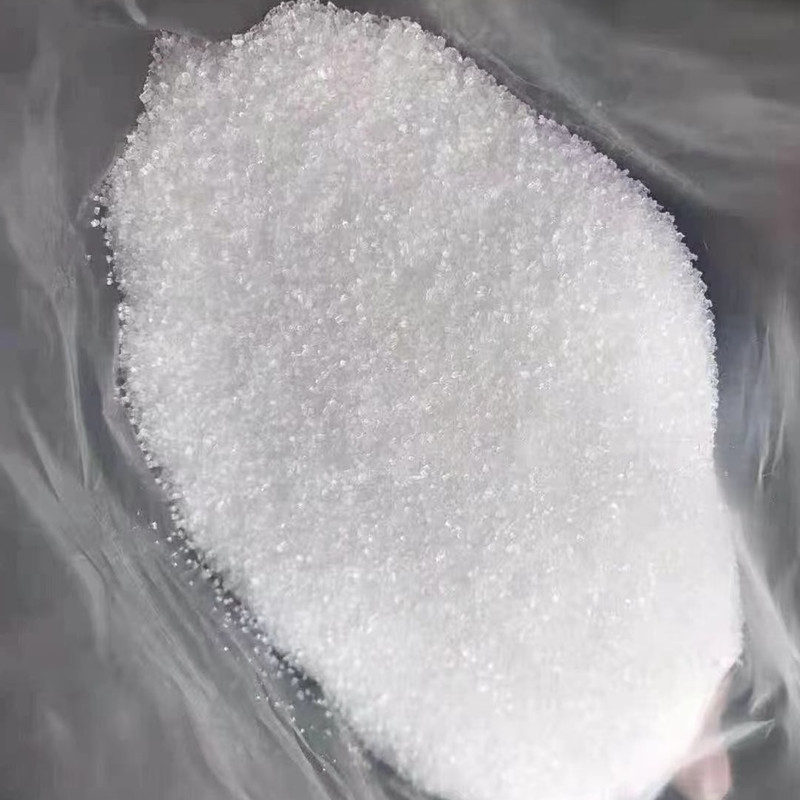
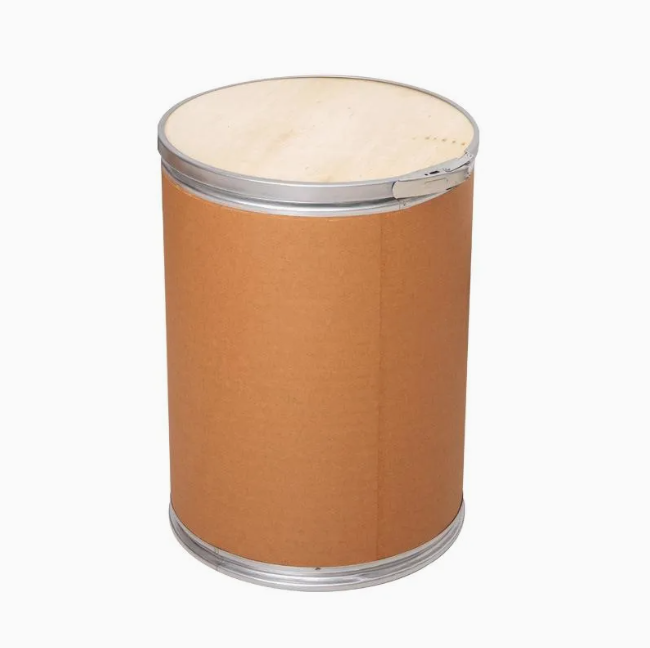
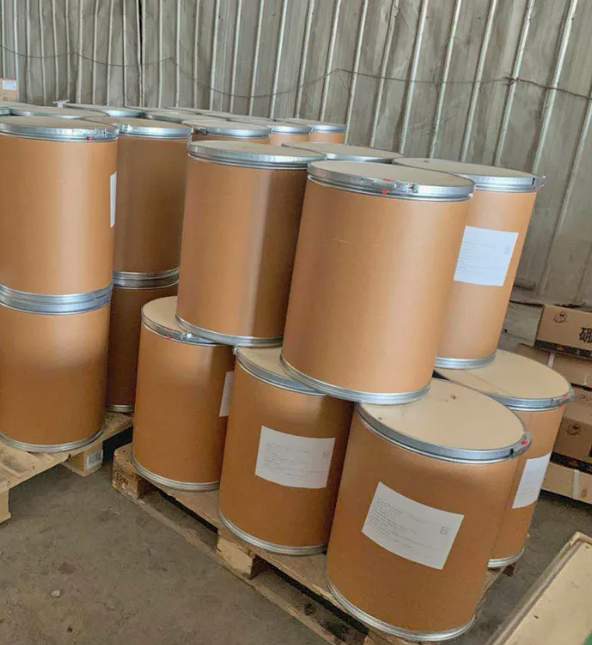
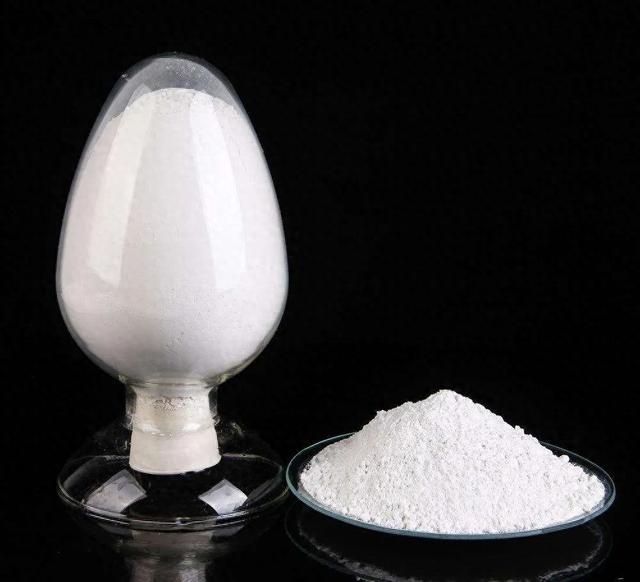
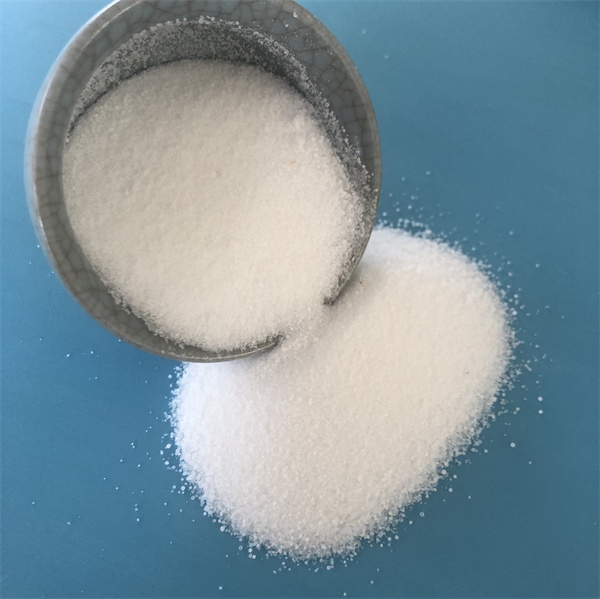
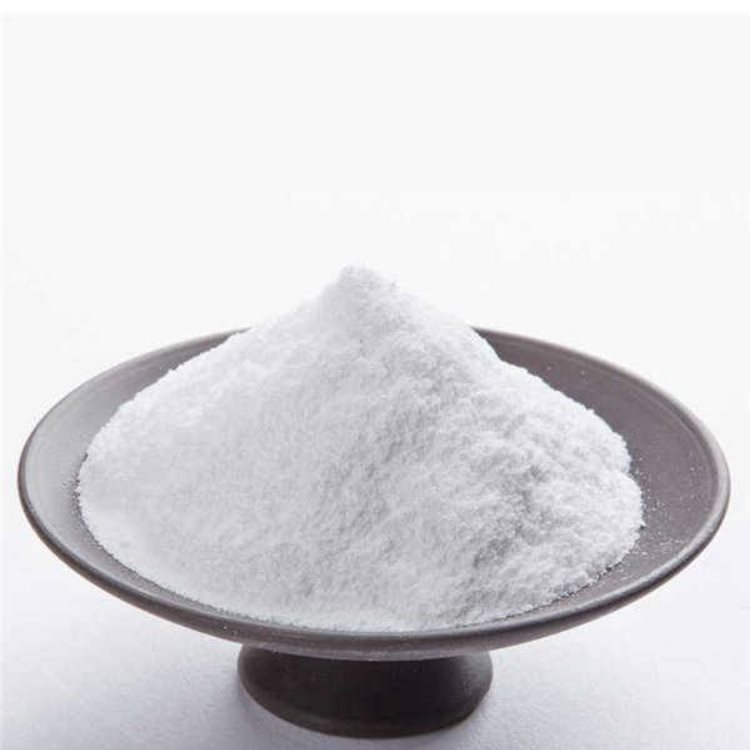
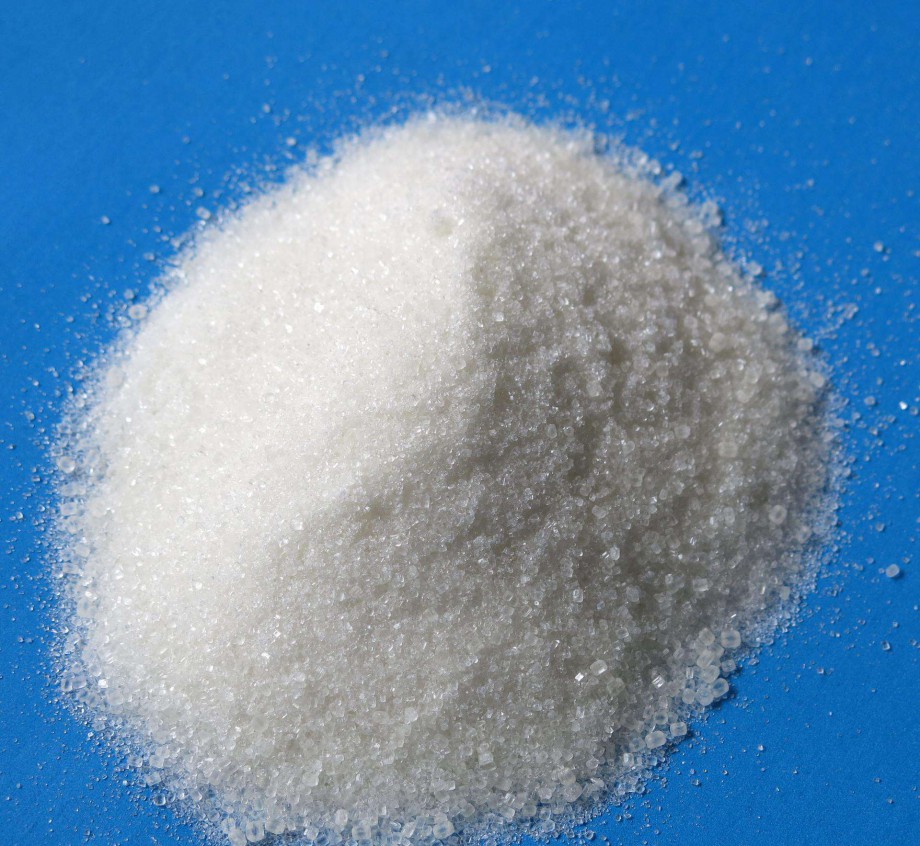
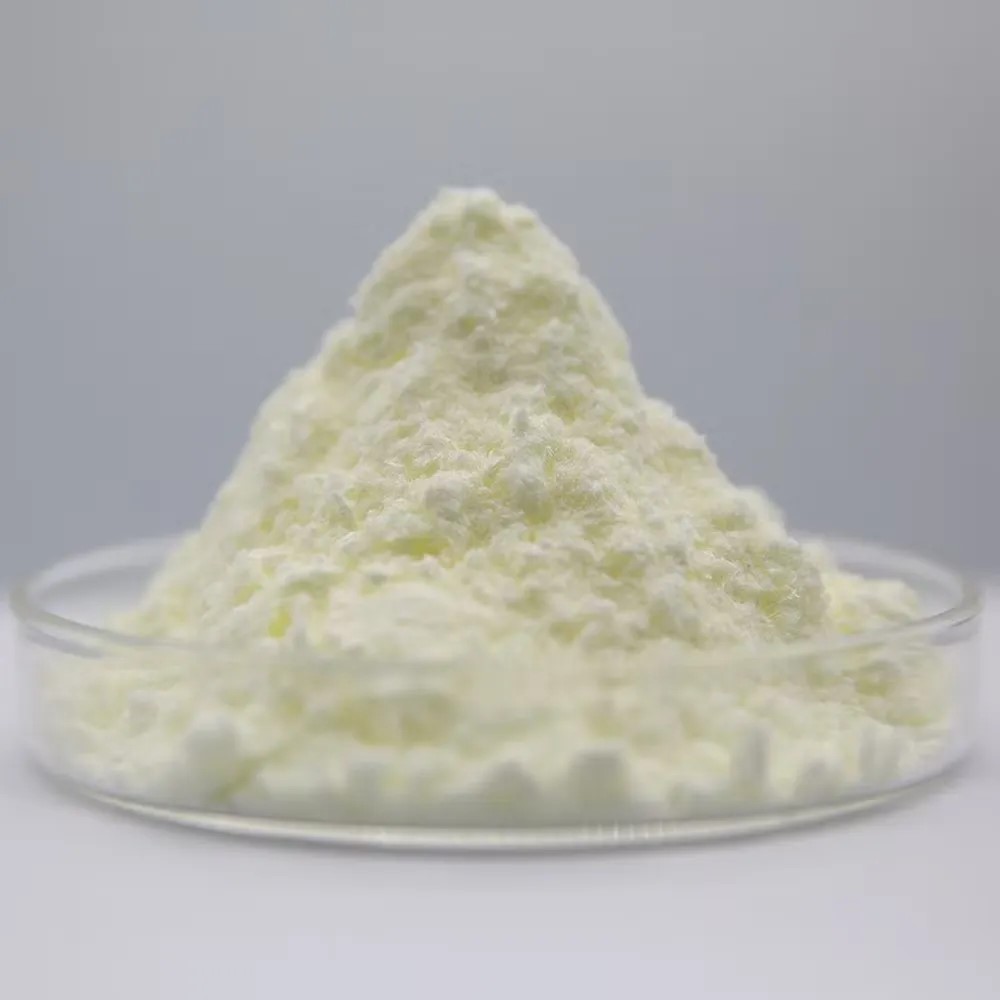
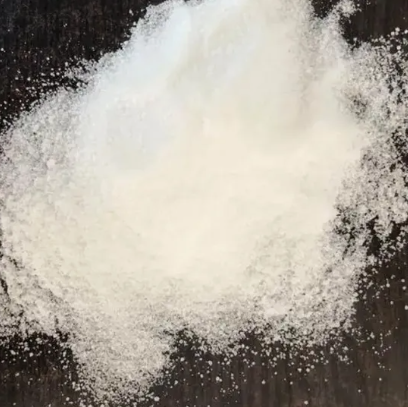
Uses1. Hydroquinone is an intermediate for herbicides such as quizalofop, fluazifop, fenoxaprop, clodinafop, haloxyfop, and lactofen. It is also an intermediate in the production of pharmaceuticals and dyes.
2. Hydroquinone is mainly used as a developer in photography. Hydroquinone and its alkyl derivatives are widely used as polymerization inhibitors added during the storage and transportation of monomers, typically at a concentration of approximately 200 ppm. Monomethyl hydroquinone is an intermediate for butylated hydroxyanisole (BHA), an antioxidant for edible oils; dimethyl hydroquinone is an intermediate for dyes, organic pigments, and fragrances; diethyl hydroquinone is an intermediate for photosensitive dyes and colorants. Hydroquinone is also used to produce N,N'-diphenyl-p-phenylenediamine, which serves as an antioxidant and anti-odor agent for rubber and gasoline.3.It is used in the colorimetric determination of phosphorus, magnesium, niobium, copper, silicon, arsenic, etc.; the polarographic and volumetric determination of iridium; as a reducing agent for heteropoly acids, copper, and gold; for the detection of phosphate, tungstate, nitrate, nitrite, selenium, tellurium, etc.; as a developer; an antioxidant; a desulfurizer in the chemical fertilizer industry; and a urea synergist.Translation Notes
1. **Terminology Accuracy**:
- Herbicide names (e.g.quizalofop, fluazifop) adopt internationally recognized common names to ensure professional consistency.
- Functional terms such as polymerization inhibitor, antioxidant,developerconform to the norms of chemical and pharmaceutical fields.
- colorimetric determination, polarographic determination, volumetric determination are standard expressions in analytical chemistry.
2. **Sentence Structure Optimization**:
- Long Chinese sentences are split into concise English clauses with appropriate conjunctions (e.g., "and", "which") to clarify logical relationships and meet English expression habits.
- Repetitive semantic components are properly simplified (e.g., uniformly using "is used as" to avoid redundant verbs) while ensuring complete information retention.
3. **Unit and Abbreviation Standardization**:
- "ppm" (parts per million) is retained as a widely accepted concentration unit in the chemical industry.
- The abbreviation "BHA" for "butylated hydroxyanisole" is supplemented with the full name upon first mention to facilitate understanding.
4. **Contextual Adaptation**:
- The term "Chemicalbook" in the original text is omitted because it is a specific database label and irrelevant to the core technical content of the text.
- For multi-purpose descriptions, the structure "is used in/for..." is adopted to maintain the parallelism and readability of the text
 Polyester Bottle FlakesLearn More >>
 StyreneLearn More >>
 Soda AshLearn More >>
 Polyester Staple FiberLearn More >>
 Polyester FilamentLearn More >>
 MethanolLearn More >>
 Purified Terephthalic AcidLearn More >>
 PolypropyleneLearn More >>
 Sodium BicarbonateLearn More >>
") Calcium Carbonate (GCC / PCC / Activated Calcium Carbonate)Learn More >>
Calcium Carbonate (GCC / PCC / Activated Calcium Carbonate)Learn More >> Magnesium Sulfate HeptahydrateLearn More >>
") Potassium Chloride (Muriate of Potash, KCl)Learn More >>
Potassium Chloride (Muriate of Potash, KCl)Learn More >>") Sodium Sulfate Anhydrous (Glauber's Salt, Thenardite)Learn More >>
Sodium Sulfate Anhydrous (Glauber's Salt, Thenardite)Learn More >>") Ammonium Sulfate (Ammonium Sulphate, Mascagnite)Learn More >>
Ammonium Sulfate (Ammonium Sulphate, Mascagnite)Learn More >> MercuryLearn More >>
 AsphaltLearn More >>
 Polyvinyl ChlorideLearn More >>
") 1-Phenyl-3-methyl-5-pyrazolone (PMP)Learn More >>
1-Phenyl-3-methyl-5-pyrazolone (PMP)Learn More >> Magnesium ChlorideLearn More >>
 Calcium ChlorideLearn More >>
 Aluminium SulfateLearn More >>
 Sodium HypochloriteLearn More >>
 Sodium CarbonateLearn More >>
 Anhydrous EthanolLearn More >>


Search Starts Here
Please give us a message