
Products
Search
Categories
Contact Us
‹
›
‹
›
Applications
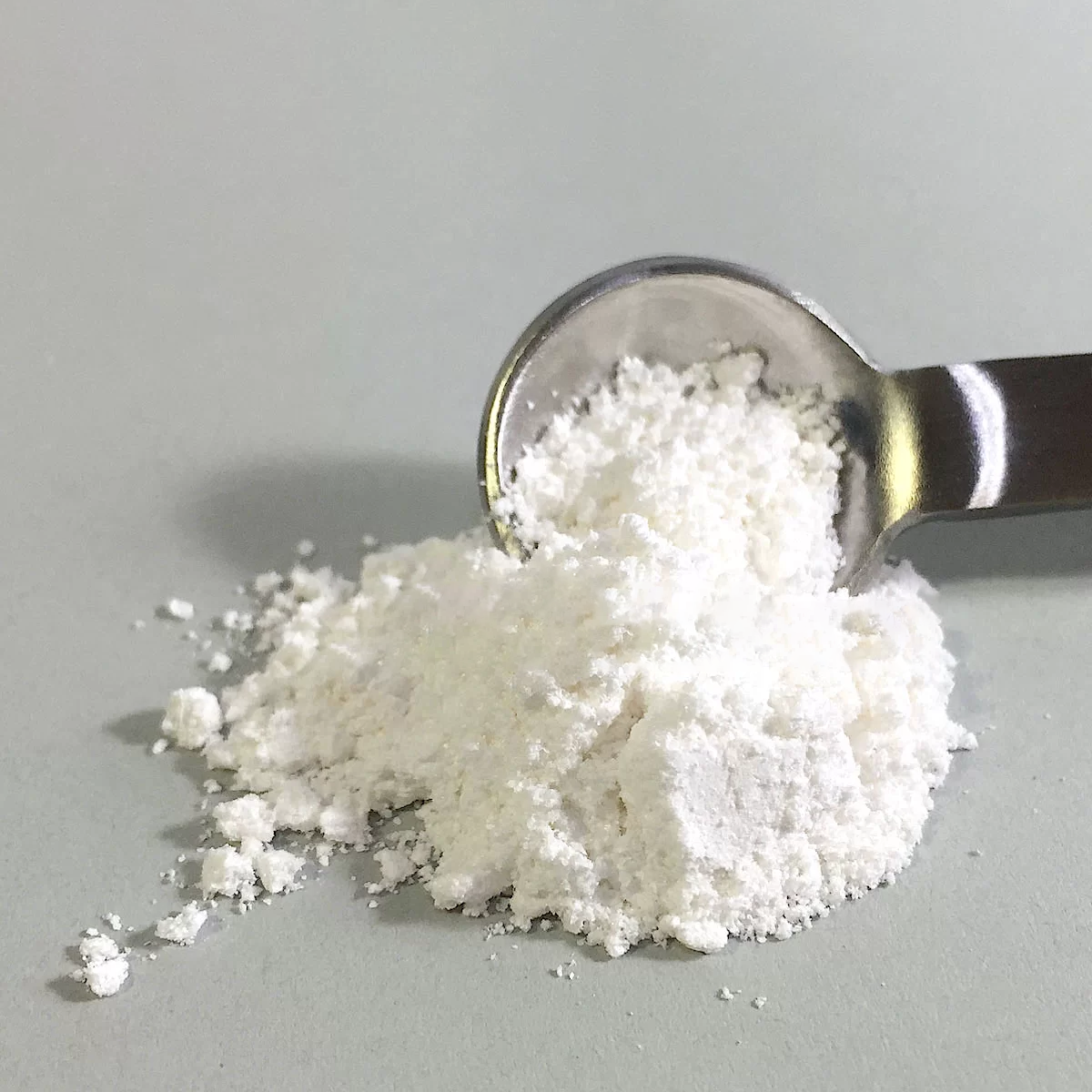
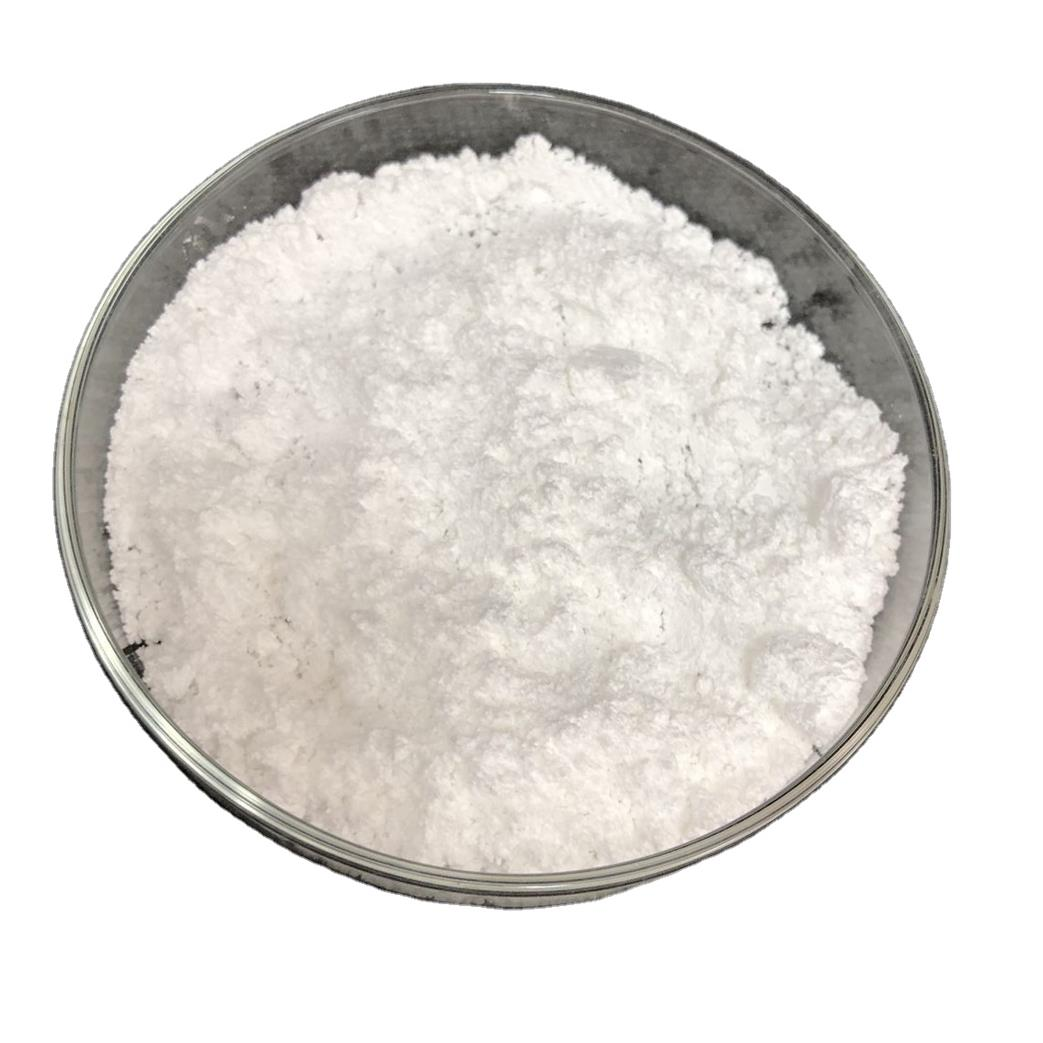
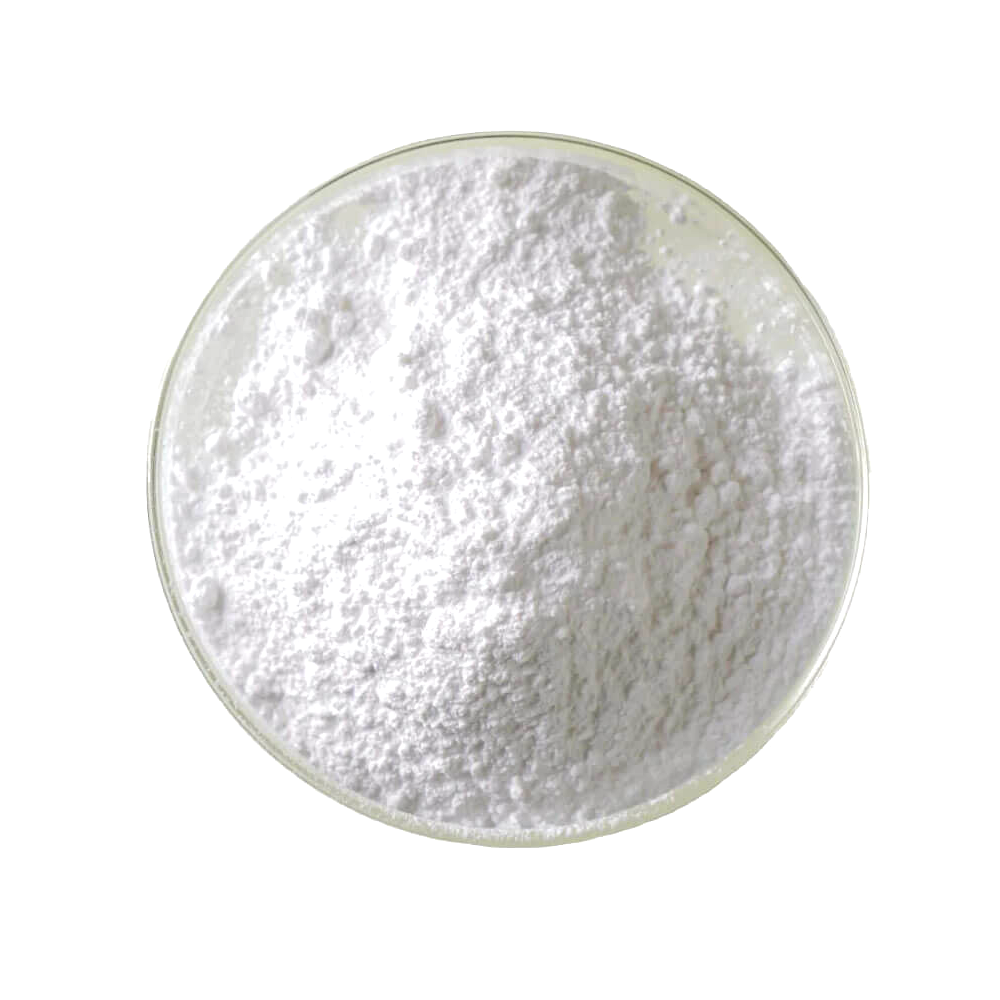
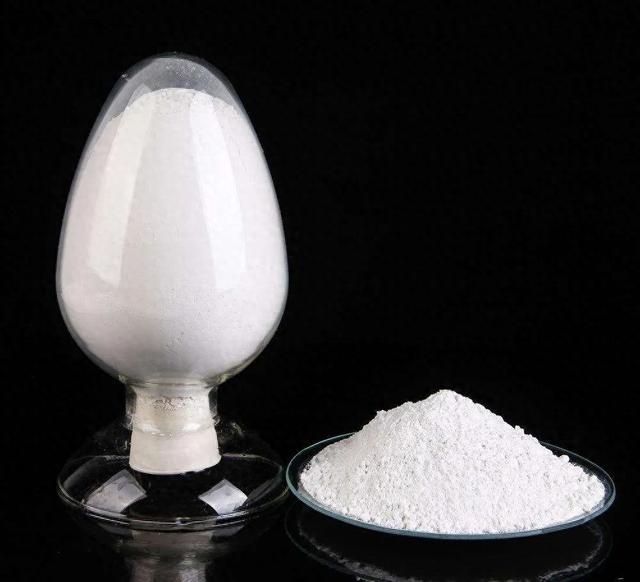
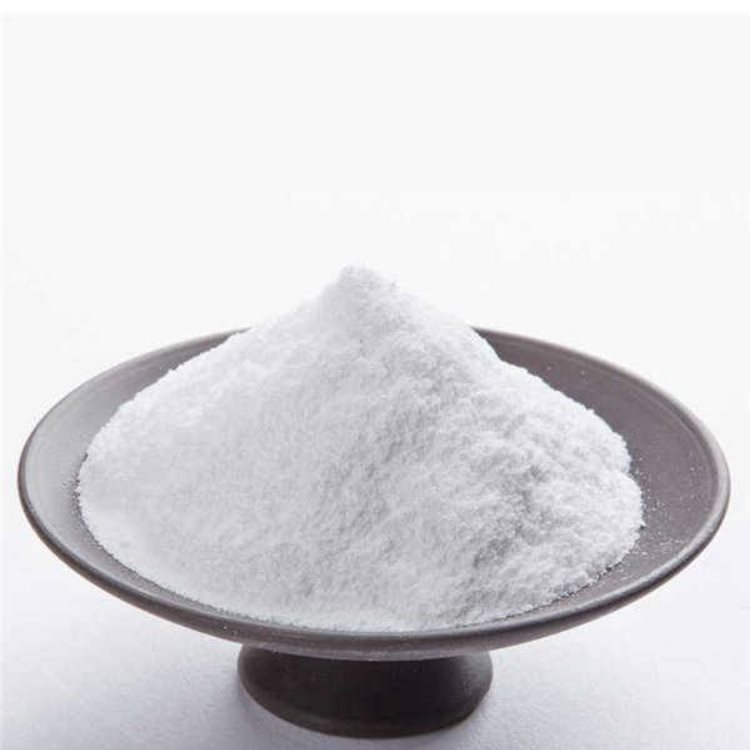
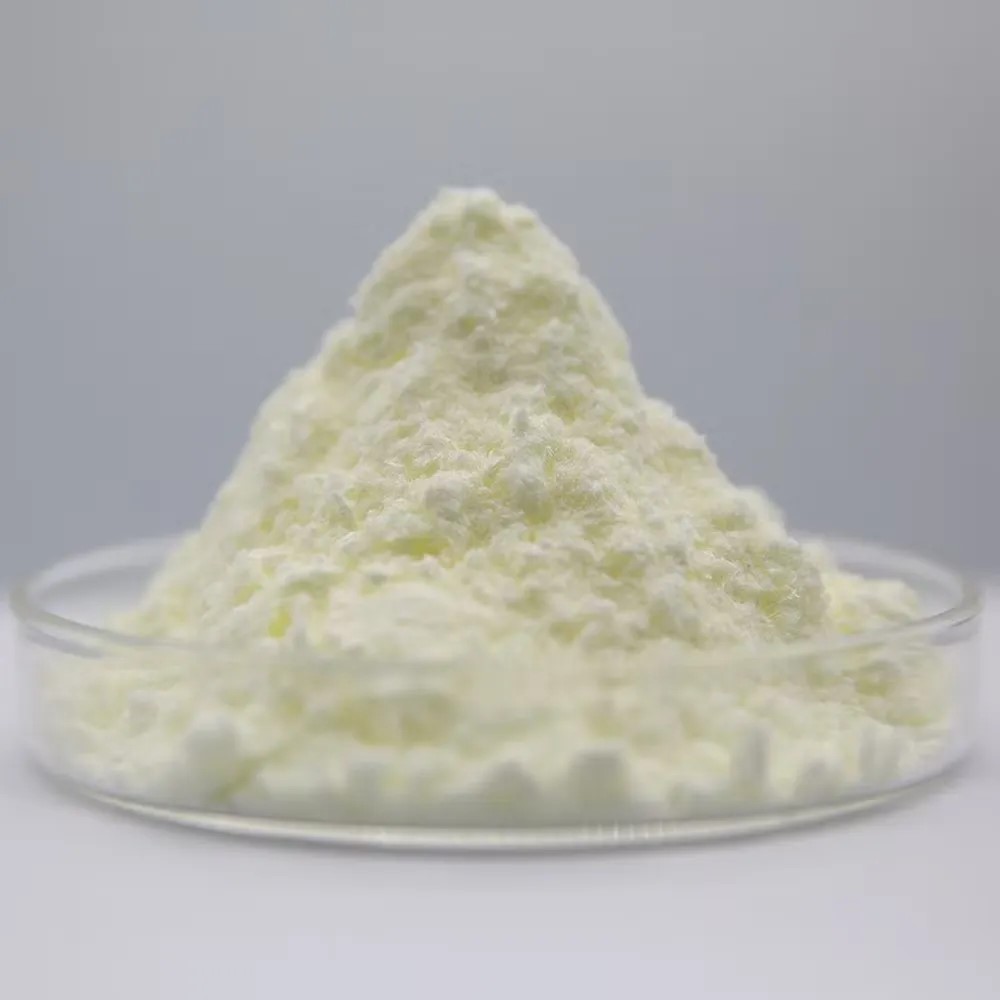
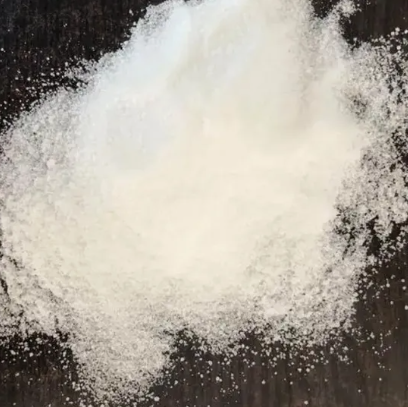
β-nicotinamide mononucleotide is a precursor substance of NAD+, the cofactor of longevity proteins in the human body. NAD+ is an important coenzyme in the tricarboxylic acid cycle, promoting the metabolism of carbohydrates, fats, and amino acids, and participating in energy synthesis; NAD+ is also the only substrate for NAD-consuming enzymes (the only substrate for DNA repair enzyme PARP, the only substrate for longevity protein Sirtuins, and the only substrate for cyclic ADP-ribose synthase CD38/157). NAD+ is involved in all aspects of human metabolism and is a key coenzyme. Without NAD+, metabolism cannot proceed normally. Elderly people lack NAD+, so various minor and major health problems arise. By additionally supplementing NAD+, comprehensive anti-aging can be achieved. Preclinical studies have shown that NMN has various pharmacological activities in cardiac and cerebral ischemia, Alzheimer's disease, diet and age-induced type 2 diabetes, and obesity. As a precursor drug of NAD+, NMN exerts its pharmacological effects mainly by synthesizing NAD+ in the body, all of which are related to the deficiency of NAD+.
 Polyester Bottle FlakesLearn More >>
 StyreneLearn More >>
 Soda AshLearn More >>
 Polyester Staple FiberLearn More >>
 Polyester FilamentLearn More >>
 MethanolLearn More >>
 Purified Terephthalic AcidLearn More >>
 PolypropyleneLearn More >>
 Sodium BicarbonateLearn More >>
") Calcium Carbonate (GCC / PCC / Activated Calcium Carbonate)Learn More >>
Calcium Carbonate (GCC / PCC / Activated Calcium Carbonate)Learn More >> Magnesium Sulfate HeptahydrateLearn More >>
") Potassium Chloride (Muriate of Potash, KCl)Learn More >>
Potassium Chloride (Muriate of Potash, KCl)Learn More >>") Sodium Sulfate Anhydrous (Glauber's Salt, Thenardite)Learn More >>
Sodium Sulfate Anhydrous (Glauber's Salt, Thenardite)Learn More >>") Ammonium Sulfate (Ammonium Sulphate, Mascagnite)Learn More >>
Ammonium Sulfate (Ammonium Sulphate, Mascagnite)Learn More >> MercuryLearn More >>
 AsphaltLearn More >>
 Polyvinyl ChlorideLearn More >>
") 1-Phenyl-3-methyl-5-pyrazolone (PMP)Learn More >>
1-Phenyl-3-methyl-5-pyrazolone (PMP)Learn More >> Magnesium ChlorideLearn More >>
 Calcium ChlorideLearn More >>
 Aluminium SulfateLearn More >>
 Sodium HypochloriteLearn More >>
 Sodium CarbonateLearn More >>
 Anhydrous EthanolLearn More >>


Search Starts Here
Please give us a message