
Products
Search
Categories
Contact Us
‹
›
‹
›
Product Parameters
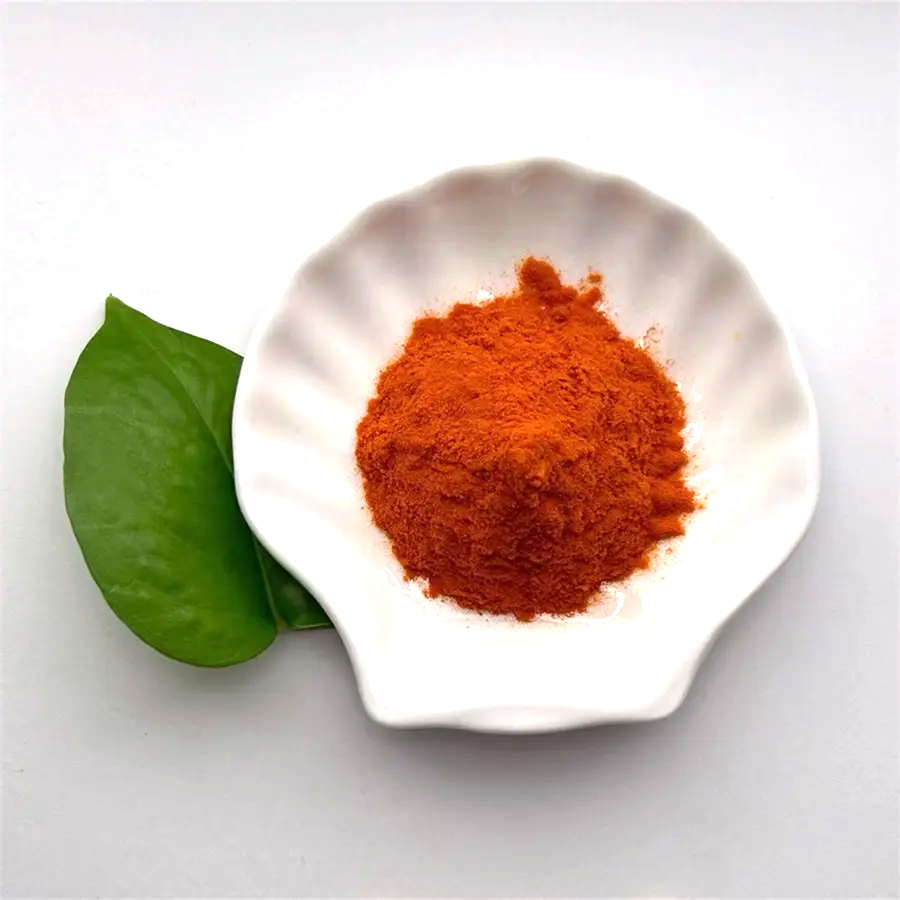
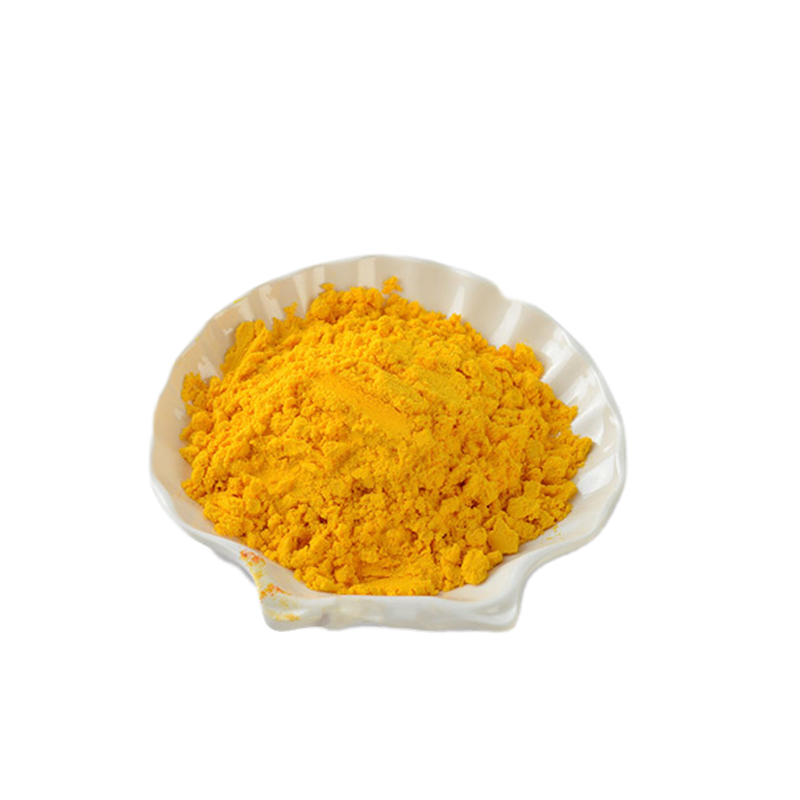
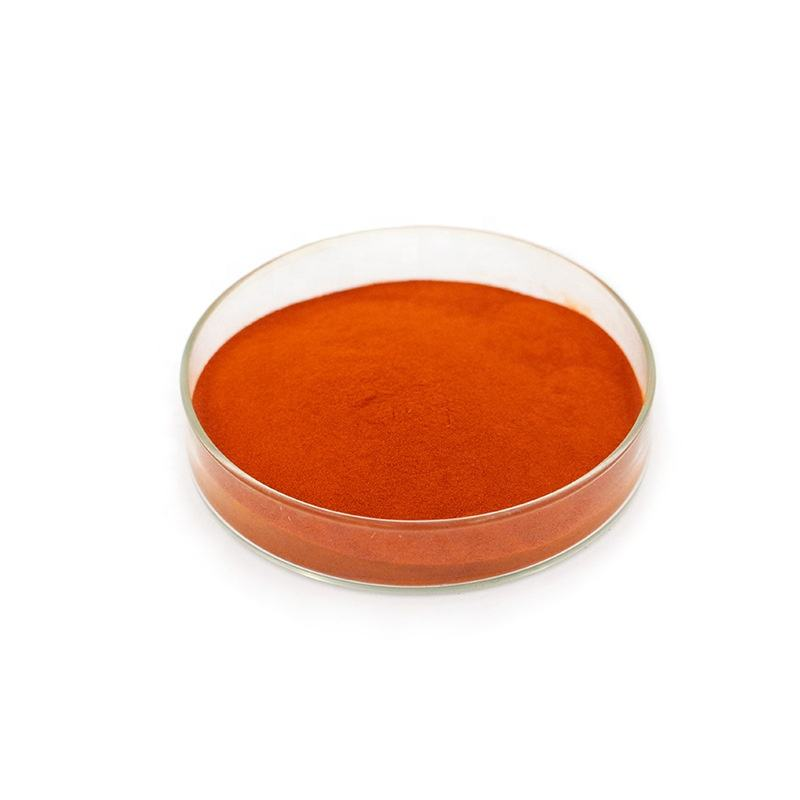
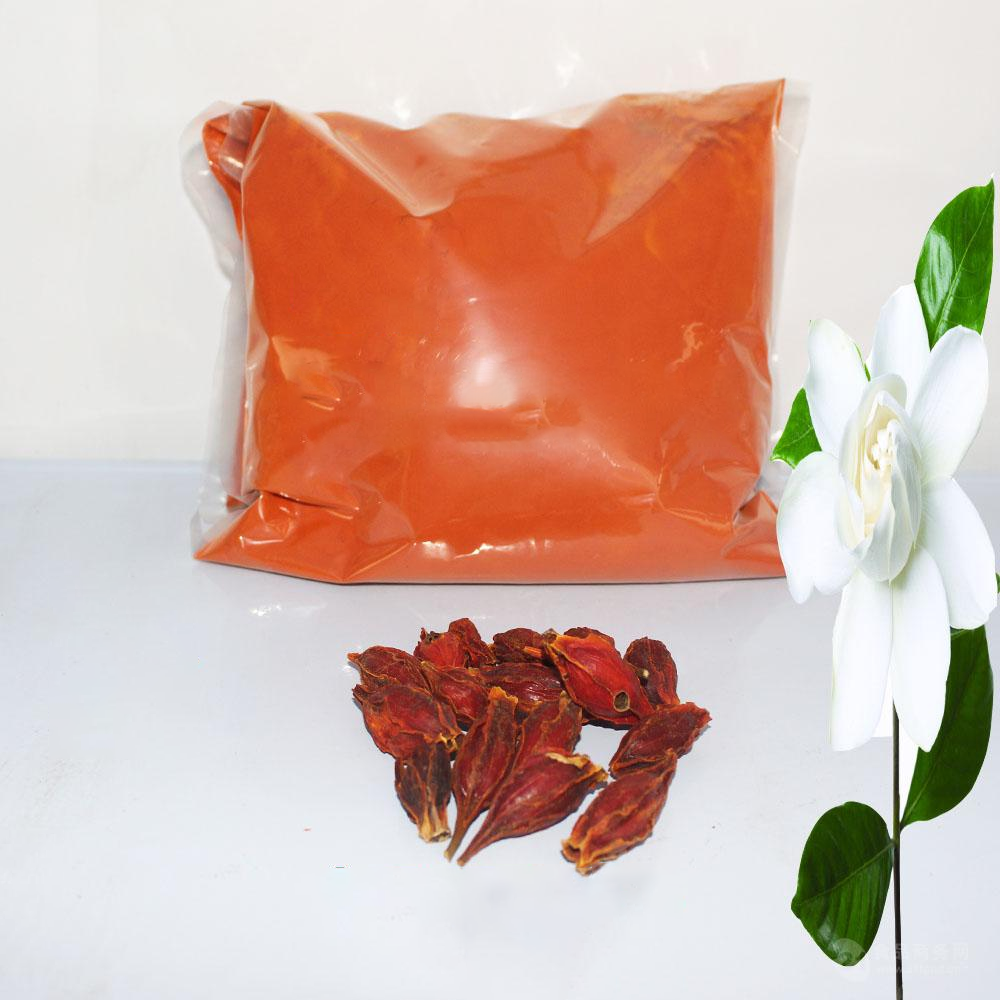
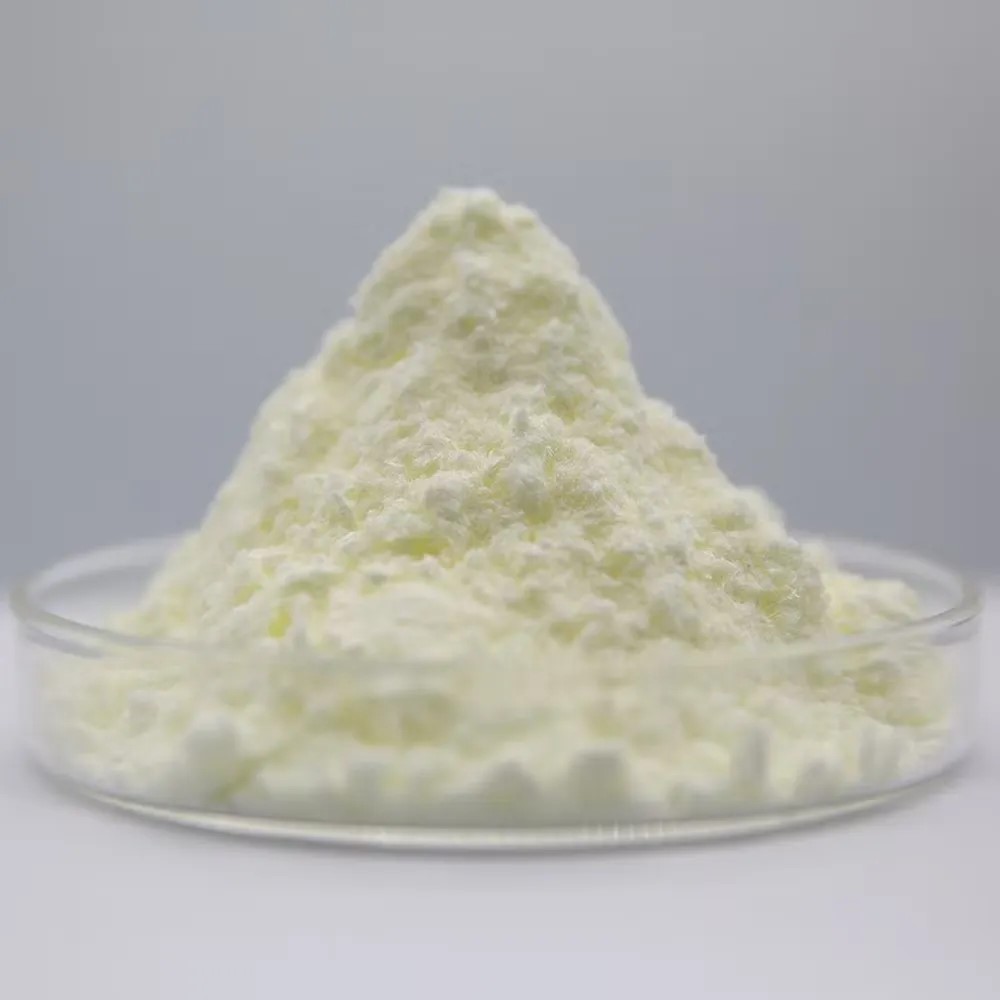
1.Traditionally, gardenia yellow pigment has been mainly used for coloring flour products. In recent years, leveraging its excellent dyeing ability on proteins and starches, it has also been widely applied in foods such as candies, preserved fruits, and ice cream. In terms of the comprehensive development of gardenia yellow pigment, Japan has successfully blended it with gardenia blue pigment to produce green pigment, achieving remarkable economic benefits. Due to its superior dyeing performance on proteins, starches, etc., gardenia yellow pigment can be extensively used in various foods including pastries, candies, flour, beverages, jelly, biscuits, and ice cream.
2.Textile Dyeing IndustryXi Deng and other researchers have studied the dyeing of silk and nylon fabrics with gardenia yellow pigment, detailing the changes in color tone during the dyeing process, which has laid a foundation for the application of gardenia yellow pigment in the field of fabric dyeing.
3.Cosmetics IndustryLiu Xinmin discussed the feasibility of applying gardenia yellow pigment in cosmetics, arguing that it already meets the conditions for use in the cosmetics industry, and also elaborated on the specific conditions and scope of its application in this sector.
4.Pharmaceutical IndustryIn addition to pigment components for coloring, gardenia yellow pigment also contains crocetin and geniposide, which have extremely high medical value and are expensive. These components possess effects such as promoting blood circulation, removing blood stasis, relieving pain, and lowering blood pressure, making gardenia yellow pigment applicable in the pharmaceutical industry.
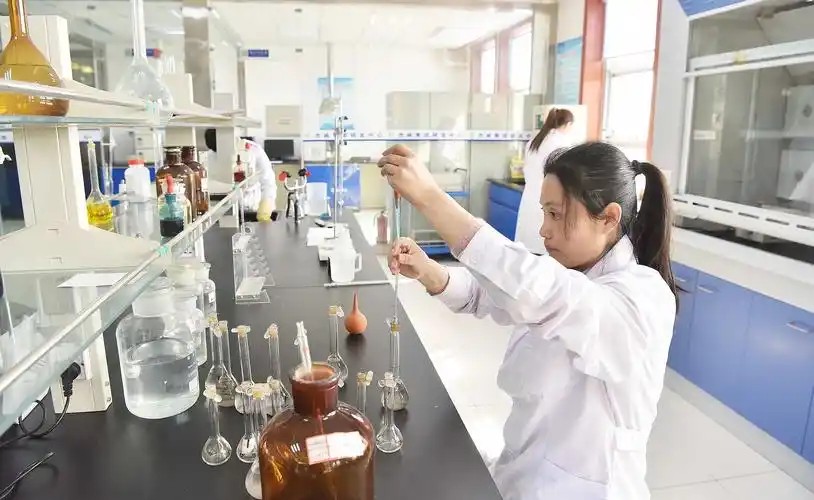
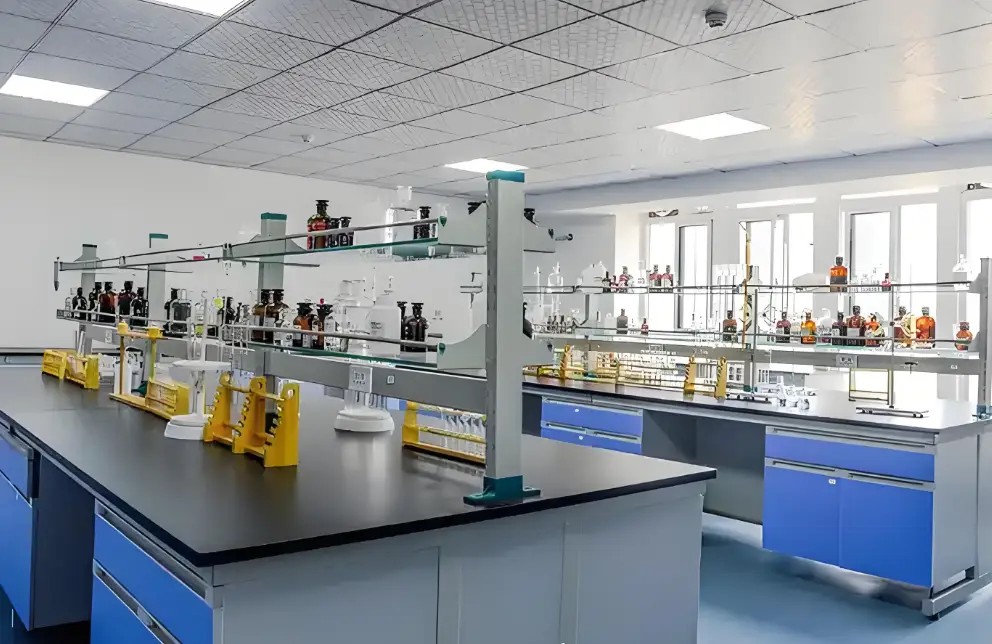
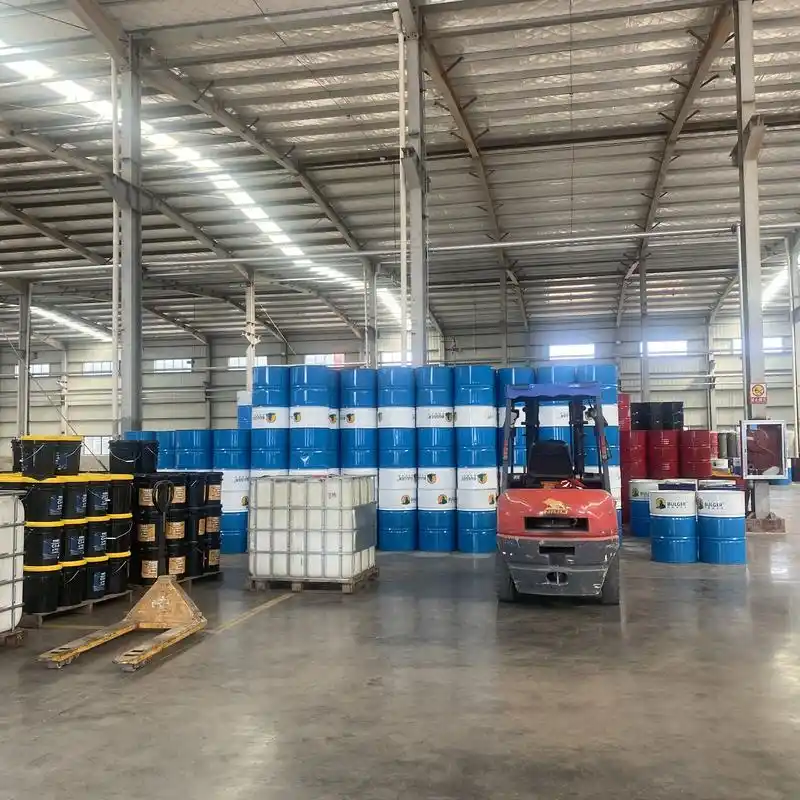
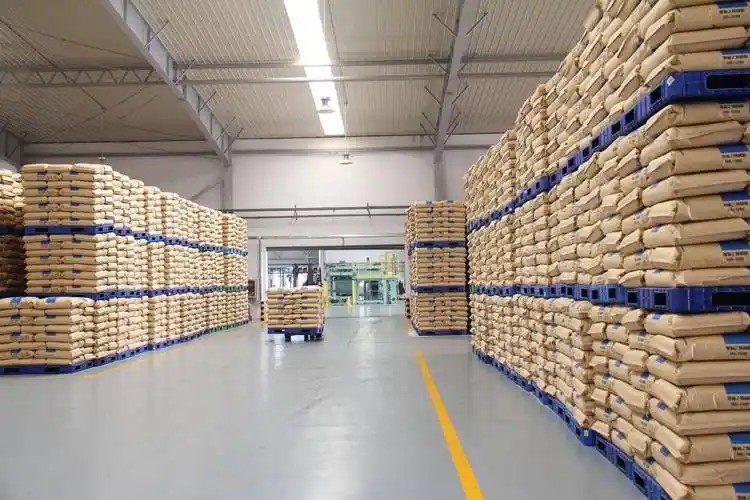
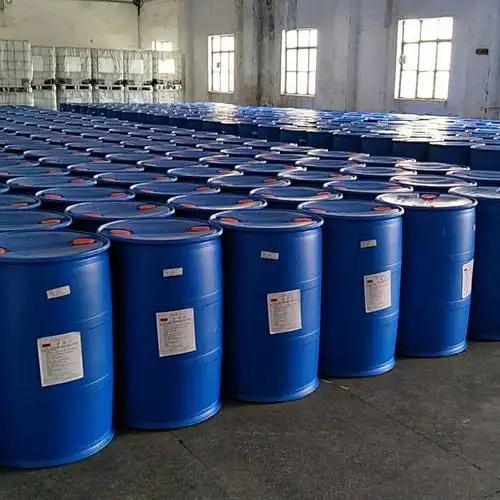
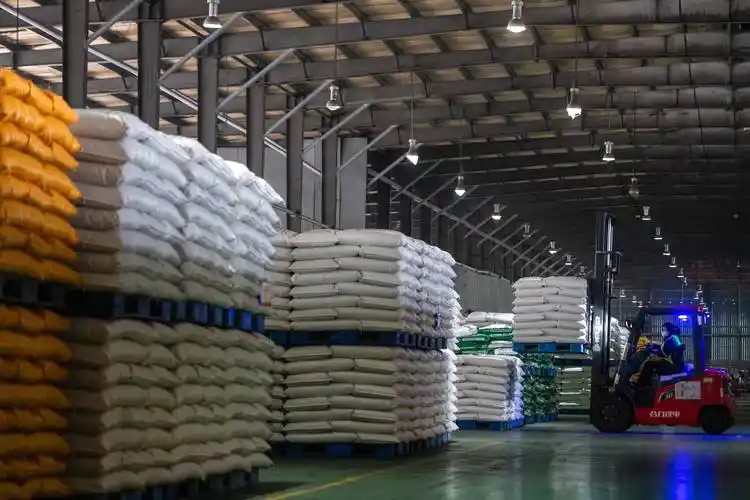
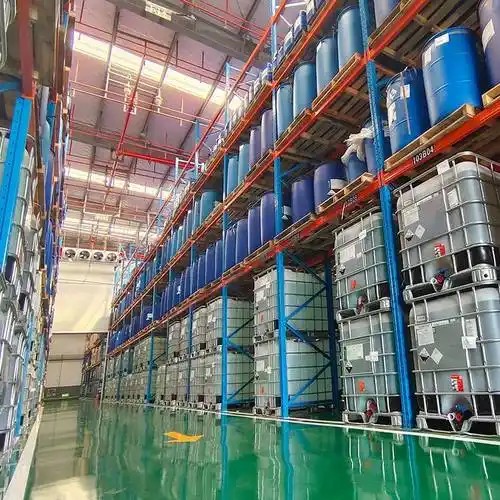
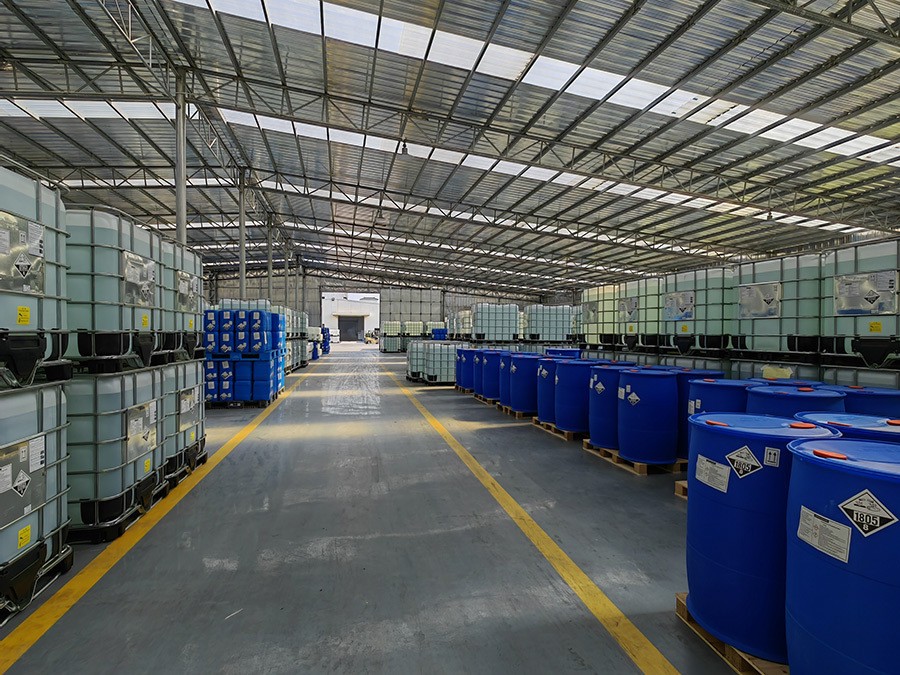
Factory Show
More Products
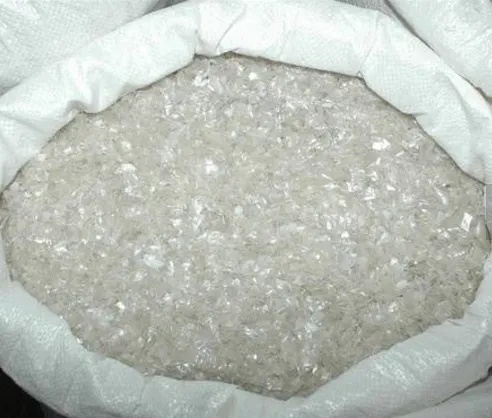
 Polyester Bottle FlakesLearn More >>
 StyreneLearn More >>
 Soda AshLearn More >>
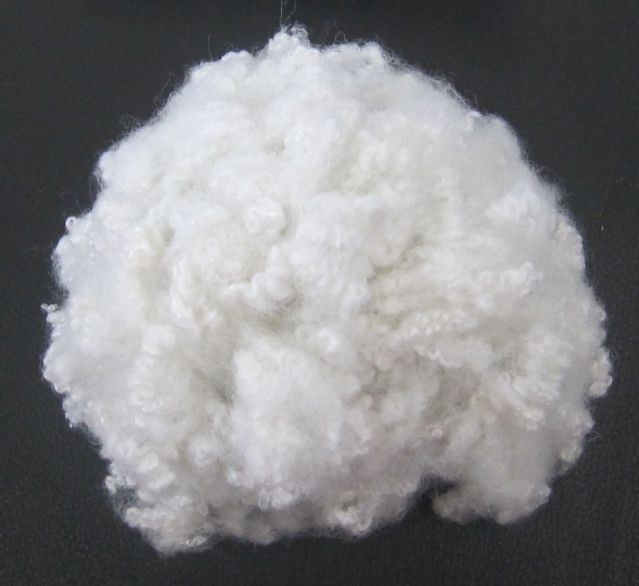
 Polyester Staple FiberLearn More >>
 Polyester FilamentLearn More >>
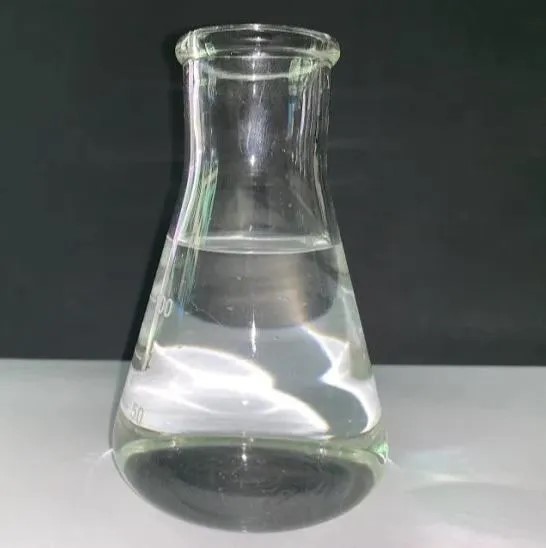
 MethanolLearn More >>
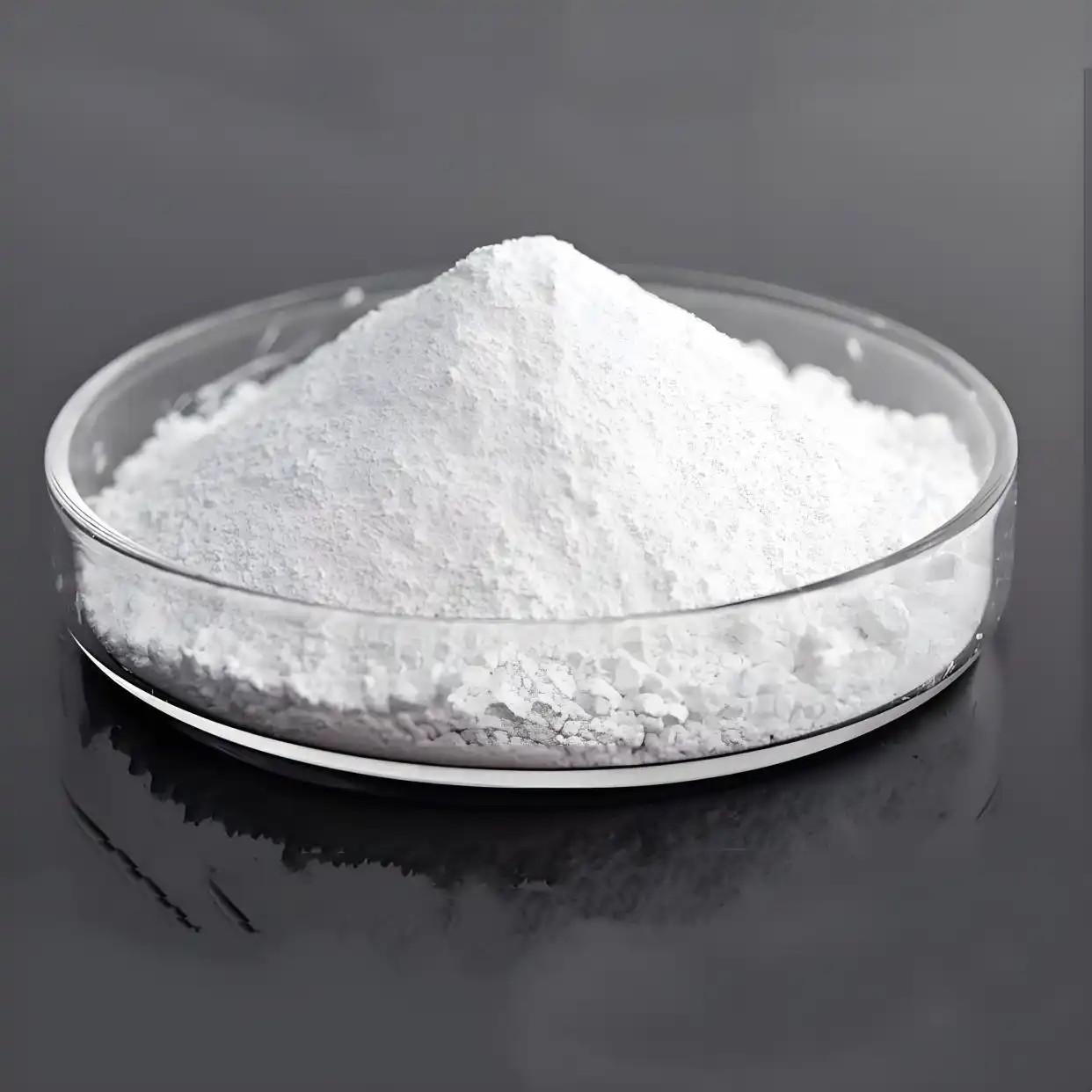
 Purified Terephthalic AcidLearn More >>
 PolypropyleneLearn More >>
 Sodium BicarbonateLearn More >>
") Calcium Carbonate (GCC / PCC / Activated Calcium Carbonate)Learn More >>
Calcium Carbonate (GCC / PCC / Activated Calcium Carbonate)Learn More >> Magnesium Sulfate HeptahydrateLearn More >>
") Potassium Chloride (Muriate of Potash, KCl)Learn More >>
Potassium Chloride (Muriate of Potash, KCl)Learn More >>") Sodium Sulfate Anhydrous (Glauber's Salt, Thenardite)Learn More >>
Sodium Sulfate Anhydrous (Glauber's Salt, Thenardite)Learn More >>") Ammonium Sulfate (Ammonium Sulphate, Mascagnite)Learn More >>
Ammonium Sulfate (Ammonium Sulphate, Mascagnite)Learn More >> MercuryLearn More >>
 AsphaltLearn More >>
 Polyvinyl ChlorideLearn More >>
") 1-Phenyl-3-methyl-5-pyrazolone (PMP)Learn More >>
1-Phenyl-3-methyl-5-pyrazolone (PMP)Learn More >> Magnesium ChlorideLearn More >>
 Calcium ChlorideLearn More >>
 Aluminium SulfateLearn More >>
 Sodium HypochloriteLearn More >>
 Sodium CarbonateLearn More >>
 Anhydrous EthanolLearn More >>

Inquiry

Search Starts Here
Please give us a message
Mingzhu New Materials (Shandong) Co., Ltd.
Phone : +86 13287595739
WhatsApp : +86 13287595739
WeChat : +86 13287595739